Crowned & Rooted · hosted by Mrs. Revell
Wellness for Black women at every age
Hair, skin, food, herbs, body, mind and spirit, told plainly and backed by real sources. From the little girl with puffs to the grandmother on the porch, this place is for all of us. Our roots run back to Africa, and so does a lot of this wisdom.
Find your age Meet Mrs. Revell
A welcome from Mrs. Revell
Come on in, sit down, and take care of you
Hello, beautiful. I am a Philadelphia wife, mother and teacher, and I have watched too many of the women I love put themselves last. We take care of the babies, the elders, the church, the job and the block, and then we wonder why our pressure is up and our edges are thin.
Crowned & Rooted is my front porch. Here we talk honestly about hair and skin, about the food on our tables, about herbs our grandmothers trusted, about our bodies, our minds and our sleep. Everything here comes with its source, and when the science is thin, I will tell you so.
And we remember where we come from. Shea butter, okra, black-eyed peas, hibiscus, braiding circles: so much of what keeps us well was carried here from Africa by women who refused to forget.
New here?
Start here in three easy steps
You do not have to change your whole life on Monday. Start small. Start today.
Find your season of life
Girls, teens, twenties, the busy middle years and our elders all need different things. Go to Every Age and read the page written for where you are right now.
Know your numbers
Blood pressure, blood sugar, cholesterol, and the screenings that fit your age. Our Body page has the checklist. Write your numbers down and take them to every visit.
Make one swap and mark your calendar
Trade fatback for smoked turkey or smoked paprika. Add one more pot of greens. Then use the Calendar to plan your checkups and this month's health focus.
Baby, you cannot pour from an empty pitcher. Pick one step this week. Just one. Then come back and tell your sister about it.
Explore the site
Everything we cover
Each section is long and full, with plain talk, honest evidence tags and sources at the bottom of every part.

Hair
Scalp care, protective styles, edges, breakage, relaxer facts and the oils our foremothers used.
Skin & Nails
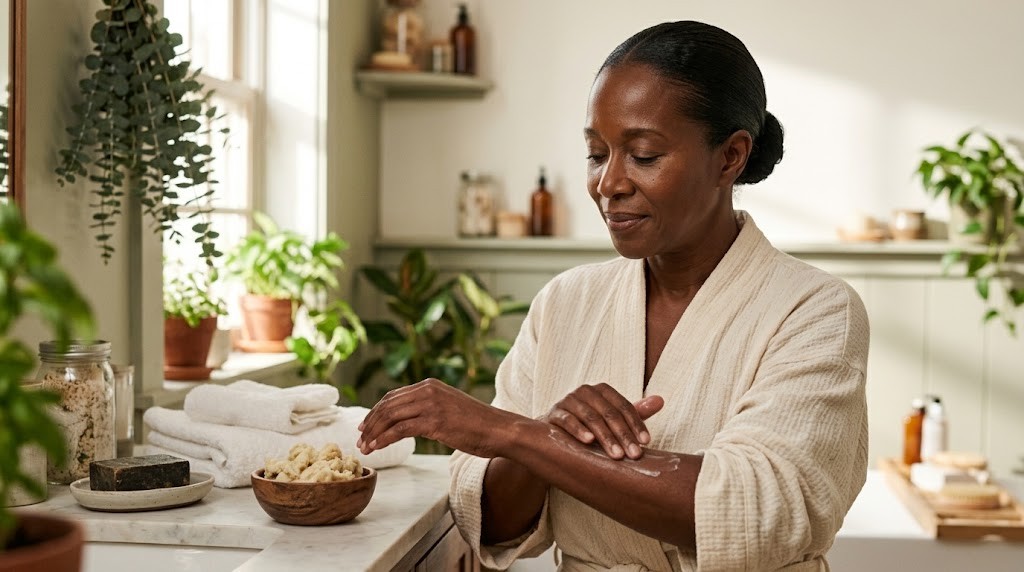
Dark spots, sunscreen for brown skin, keloids, eczema, shea butter and black soap.
Food
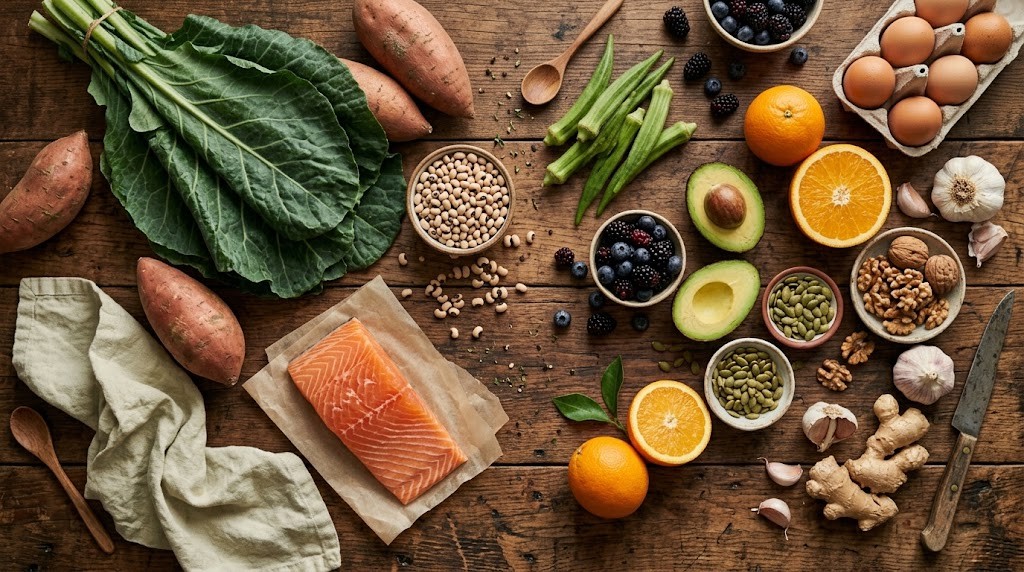
The foods that help protect us, what to eat less of, and what is in season in Pennsylvania.
Herbs & Teas
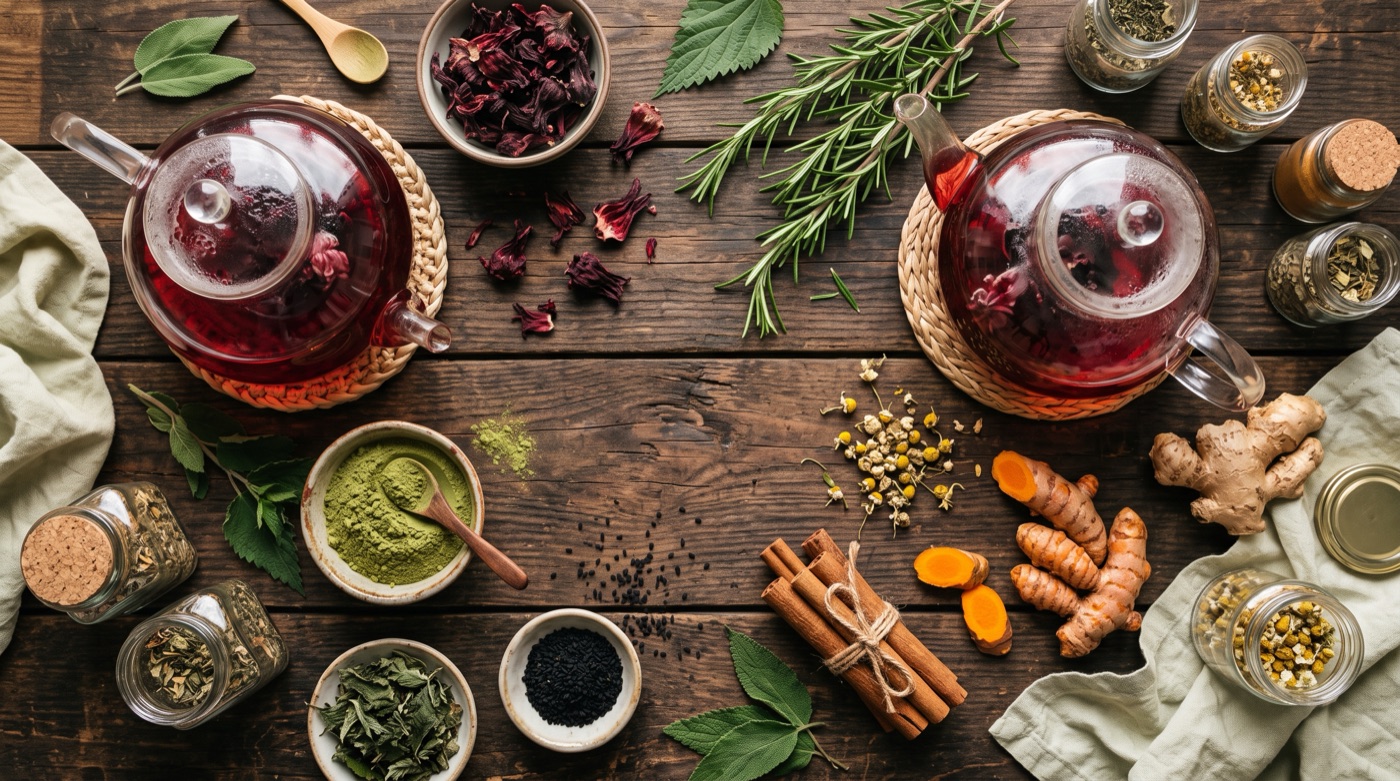
Hibiscus, ginger, rooibos, black seed and more, with honest evidence and safety notes.
Recipes
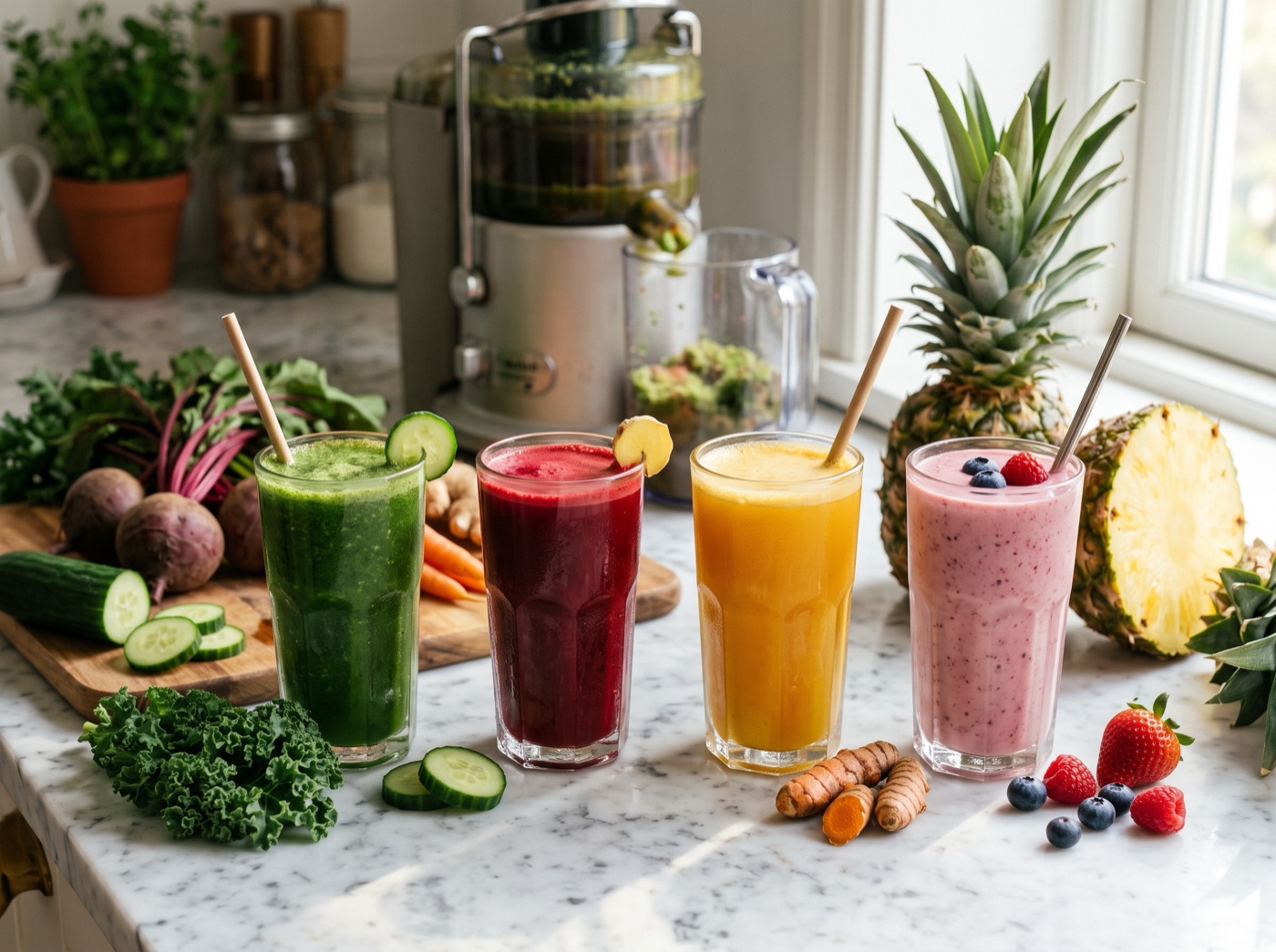
Juices, teas, heart-smart soul food, hair and skin DIY, a seven-day meal plan and grocery list.
Body
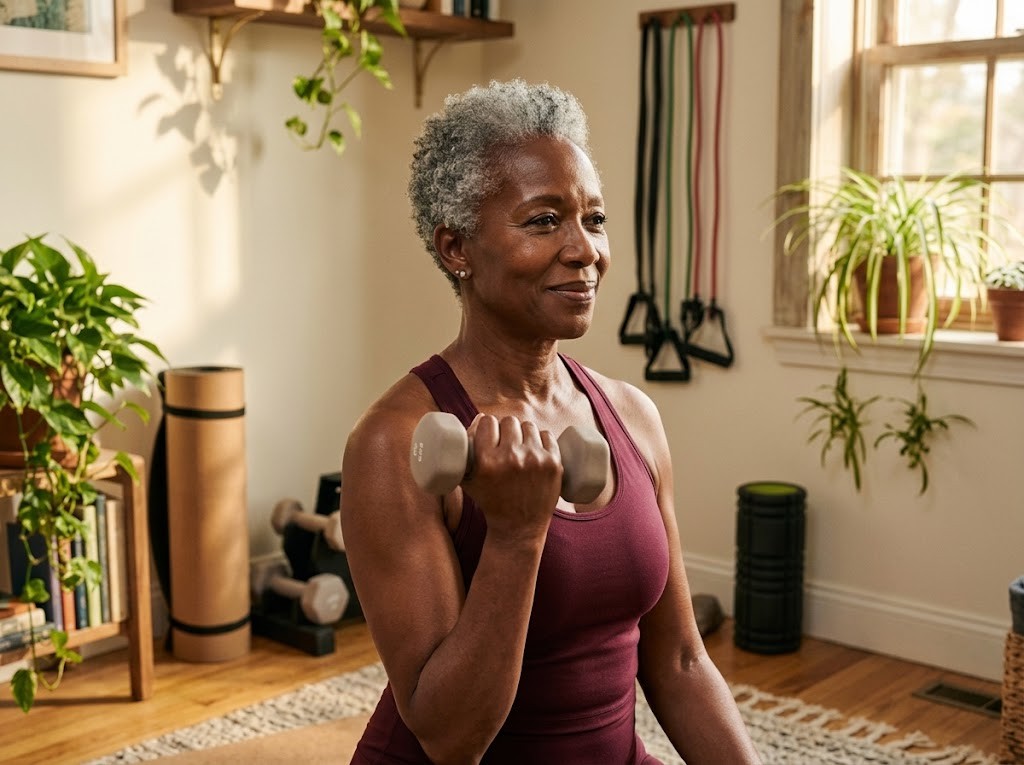
Blood pressure, heart, fibroids, breast health, lupus, movement and the screenings by age.

Mind & Sleep
Putting down the "strong Black woman" load, finding a therapist who gets it, and real rest.
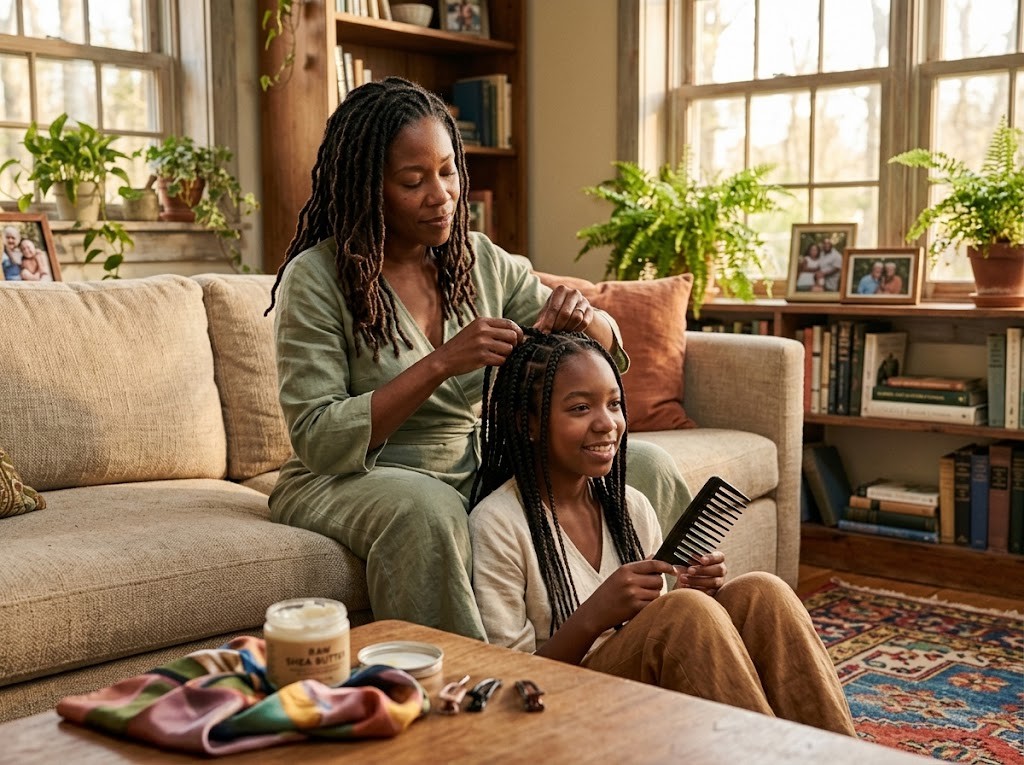
Every Age
Girls and teens, twenties and thirties, the middle years, menopause, and our elders.
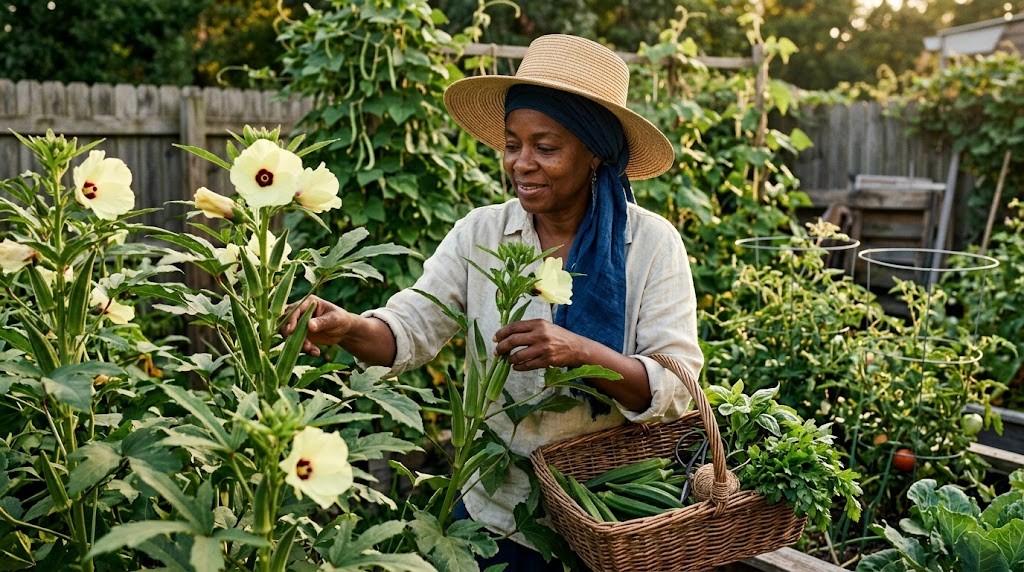
African Roots
Where our foods, herbs and beauty ways come from, and how they crossed the ocean with us.
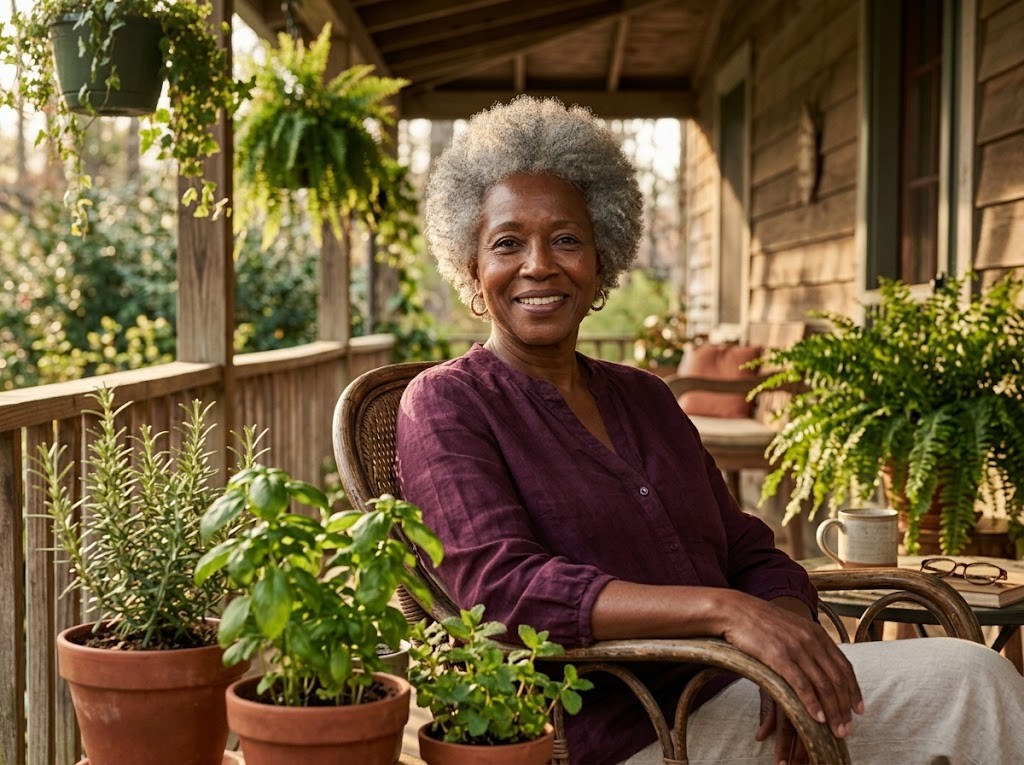
Our History
Healers, granny midwives, pioneers, Philadelphia's own story and the CROWN Act.
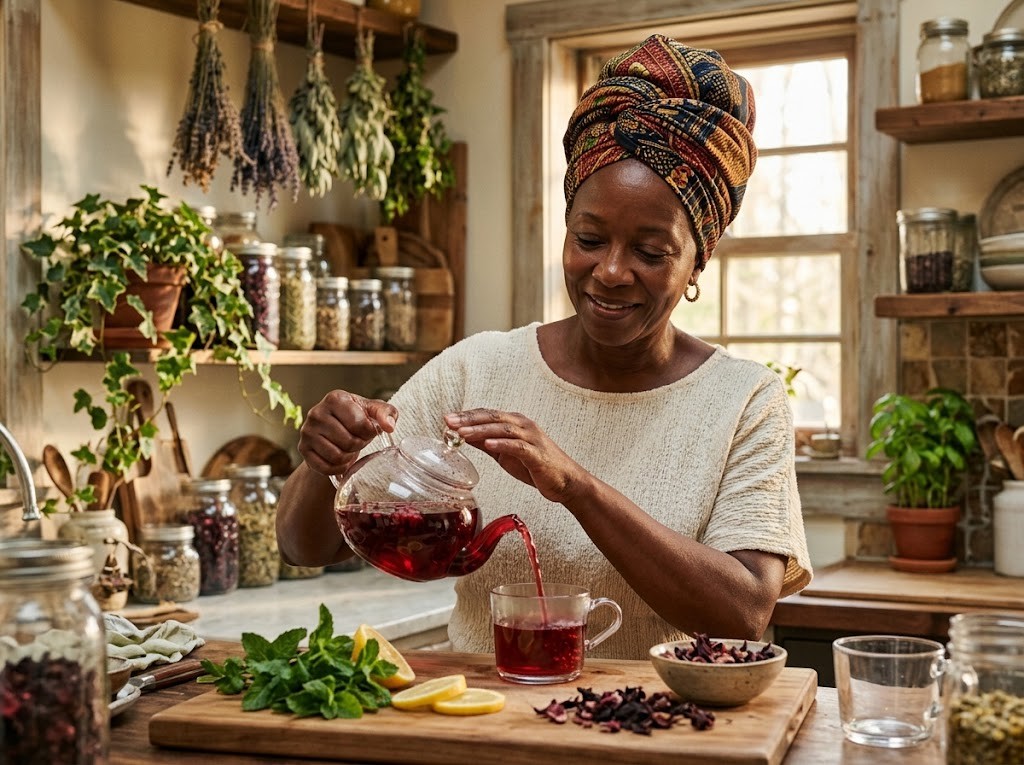
Calendar
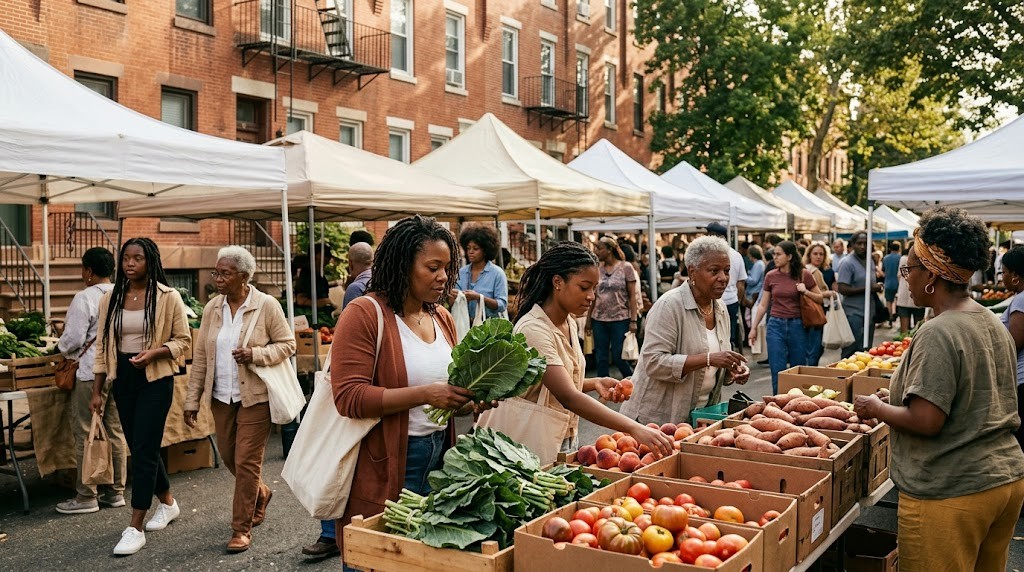
A health focus for every month, screening reminders and what is fresh at the market.
Philly Guide
Farmers markets, free produce, Black-owned wellness spots, walking groups and support near you.
Every age
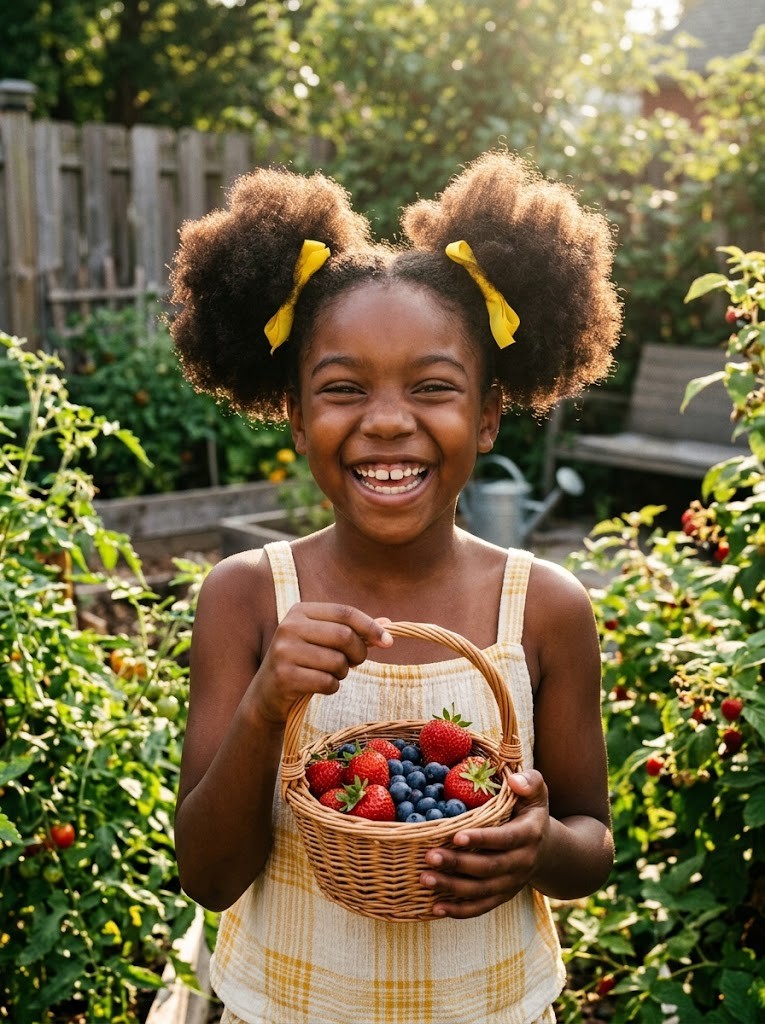
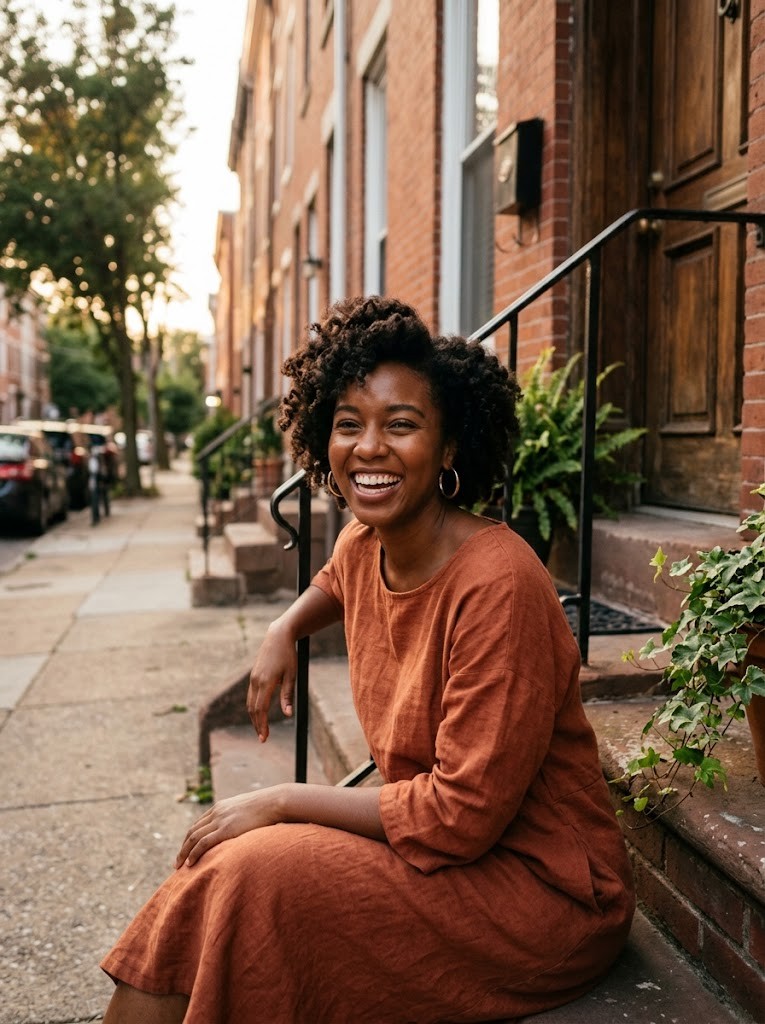
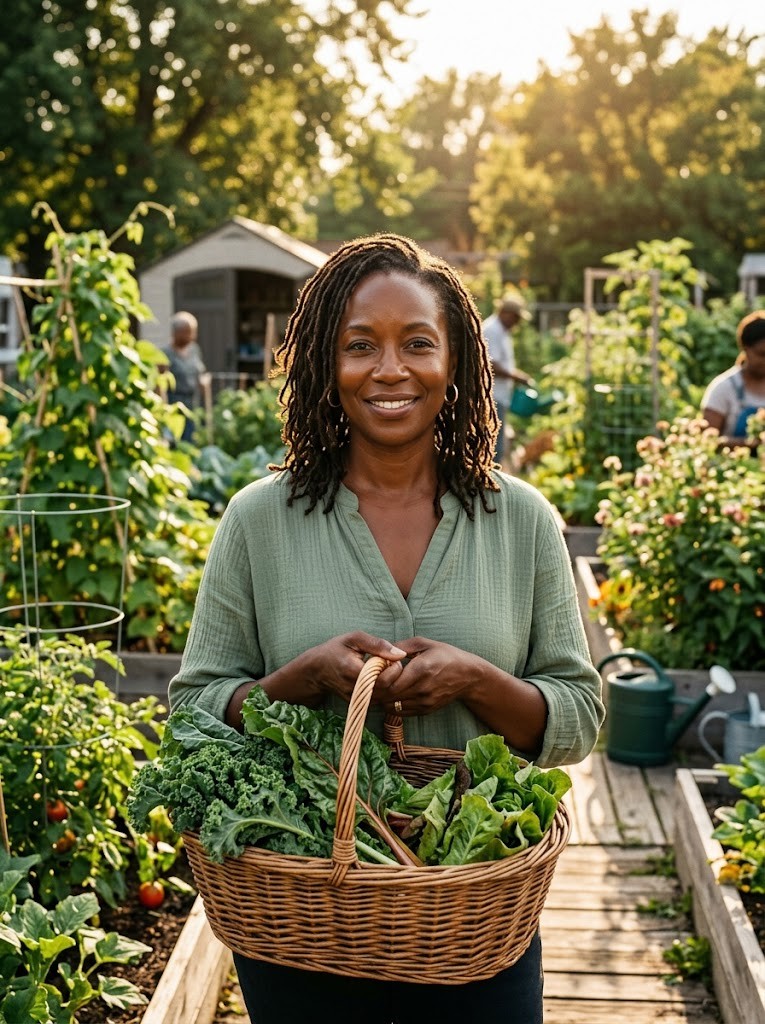
Wherever you are in life, there is a page for you
Did you know?
Six facts every Black woman should hear
These are not here to scare you. They are here so you can ask the right questions and get the right care.
A study by NIH researchers estimated that more than 80 out of 100 Black women develop uterine fibroids by age 50. Heavy, painful periods are worth a doctor's visit.
Source: Baird et al., 2003 (NIEHS)
In the Women's Health Initiative, Black women in their fifties had about three and a half times the stroke risk of white women the same age. Controlling blood pressure is the big lever.
Source: American Heart Association
Black women are about twice as likely as white women to be diagnosed with triple-negative breast cancer, an aggressive type that often shows up younger.
Source: American Cancer Society
Registries funded by the CDC found lupus was about three times as common in Black women as in white women, and it often started younger and hit the kidneys harder.
Source: Emory / CDC lupus registries · CDC
CDC data found 17.5 percent of non-Hispanic Black people were at risk of vitamin D deficiency, compared with 2.1 percent of white people. Melanin means our skin makes less vitamin D from the same sun. Ask your doctor whether a test makes sense for you.
Source: CDC, NHANES 2011–2014 · NIH ODS
In a Wake Forest survey of 103 Black women, nearly 4 in 10 said they had skipped exercise at times because of their hair. Our Hair page has workout-friendly styles.
Source: Hall et al., Archives of Dermatology (via ScienceDaily)
From Mrs. Revell's kitchen
Featured recipes with African roots
Heart-smart versions of the food we love. Less salt, no fatback, all the flavor.
Baked Salmon with Garlicky Collards
Collards simmered with onion, garlic and a little smoked turkey or smoked paprika instead of ham hock. Spoon the pot likker over the greens; it holds the vitamins.
Roots: Slow-cooked greens and their "pot likker" carry West African one-pot cooking forward.
Safety: If you take warfarin, keep your collard portions steady week to week because of vitamin K.
Get the recipeOkra-Tomato Stew with Smoked Turkey
Onion, pepper and celery, fresh or frozen okra, no-salt tomatoes and thyme. Serve over brown rice.
Roots: Okra is an African crop, and the word "gumbo" is traced to Bantu languages. Documented
Rinse smoked turkey and use small amounts. It is still salty.
Get the recipeJollof Rice with Brown Rice & Chicken or Beans
The beloved West African tomato-and-pepper rice, made with brown rice for more fiber and your choice of chicken or beans.
Roots: A West African party dish; red rice in Gullah Geechee kitchens is a close cousin. Documented
Get the recipeSources: American Heart Association (sodium guidance) · National Park Service, Gullah culture · Carney & Rosomoff, In the Shadow of Slavery
This month · October
Breast Cancer Awareness Month
October is our month to check on our breasts and on each other. Black women are more likely to die of breast cancer than white women, and more often get aggressive types at younger ages. Screening and knowing your risk early can change that story.
| When | What to do | Who says so |
|---|---|---|
| By age 25 | Ask your doctor for a breast cancer risk assessment, to see if you should start mammograms before 40. | American College of Radiology, 2023 |
| Ages 40 to 74 | Mammogram every 2 years (your doctor may advise yearly, or earlier, if your risk is higher). | U.S. Preventive Services Task Force, 2024 |
| Every month | Know how your breasts normally look and feel. Report a lump, skin dimpling, nipple changes or discharge. | American Cancer Society |
| Every day | Drink less alcohol or none. It is a convincing cause of breast cancer, with no known safe amount. | World Cancer Research Fund; U.S. Surgeon General, 2025 |
Call your sister, your mother and your best friend this week and ask one question: "When was your last mammogram?" Then book yours together.
Sources: USPSTF 2024 · American College of Radiology · CDC · WCRF · Surgeon General advisory
October market pick: collards + sweet potatoes
Both are in season around Philadelphia right now. Collards bring calcium, fiber and vitamins A, C and K. Sweet potatoes bring beta-carotene, fiber and potassium. Eating plenty of non-starchy vegetables is linked to a lower risk of ER-negative breast cancer, the group that includes triple-negative.
Roots: Cooking greens low and slow comes from West African kitchens. Sweet potatoes themselves are American in origin; they stood in for the Guinea yams our ancestors knew.
Also fresh this month: apples, pears, pumpkins, squash, cabbage, beets and broccoli.
Sources: WCRF · Pennsylvania seasonal produce calendar (see Food)
Our roots run to Africa
What our foremothers carried across the water
Shea butter from the savanna belt. Black soap from Nigeria and Ghana. Hibiscus, called bissap in Senegal and zobo in Nigeria, which became sorrel in the Caribbean. Okra, black-eyed peas and rice. West and Central African women held deep plant knowledge, and much of it crossed the Atlantic in memory, and some of it in seed.
We also tell it straight. Moringa, for example, is native to South Asia and became an African staple later. And the beloved story of braids as escape maps lives in oral tradition, not in written records.
Explore our African roots Read our historySources: Carney & Rosomoff, In the Shadow of Slavery · Snopes, cornrow maps
Watch: What Crowned & Rooted is for
Get on the right track
Take the Crowned & Rooted pledge
Say it out loud. Write it in your journal. Put it on the refrigerator.
- I will know my blood pressure, blood sugar and cholesterol numbers.
- I will keep my screenings on schedule and bring a sister along.
- I will add one more vegetable to my plate every day.
- I will move my body most days, even if it is a walk around the block.
- I will protect my sleep and my peace.
- I will ask for help when I need it, because strong does not mean alone.