Our History
We have always been healers
From the shea groves of West Africa to the plantation gardens, from the granny midwife's black bag to the first Black woman doctors and the CROWN Act, this is the story of how Black women kept each other well.
Why history belongs on a wellness site
Knowing where we come from helps us heal
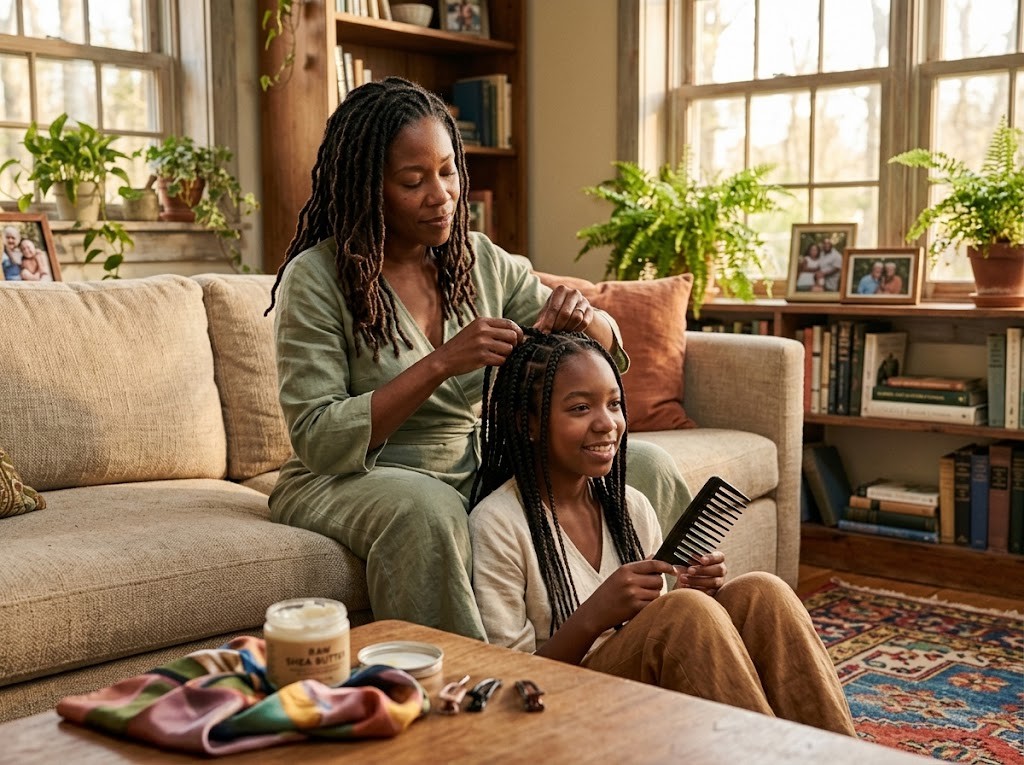
Our grandmothers did not call it "wellness." They called it taking care. They grew greens out back, brewed teas for a fever, caught each other's babies, pressed and braided hair on Saturday night, and pooled their pennies so no sister was buried without dignity.
Some of this history is proud. Some of it is painful, and we will speak about it gently and honestly: women operated on without consent, cells taken without permission, mothers not believed. Both parts matter. They explain why so many of us still carry distrust into the doctor's office, and why speaking up for ourselves is a health skill.
How we label things on this page:
Part one
African roots: what women carried
Long before any American medical school existed, West and Central African women knew what to eat, what to rub into skin and hair, and what to brew for a fever or a hard labor. Much of that knowledge crossed the Atlantic in memory, and some of it in seed.
| Plant or food | Where in Africa | Traditional use | Label |
|---|---|---|---|
| Shea butter (Vitellaria paradoxa) | The savanna belt, Senegal to Uganda | Women gather the nuts and make the butter, often in cooperatives. Used for skin, hair, cooking and healing balms. | Documented |
| African black soap (Yoruba ọṣẹ dúdú; Ghana alata samina) | Nigeria, Ghana, Togo | Made from the ash of plantain skins, cocoa pods or palm leaves, mixed with oils like palm kernel and shea. Used for skin and scalp. | Documented |
| Baobab | Sahel and savanna | Fruit pulp eaten and drunk; leaves cooked as greens; seed oil used on skin. | Documented |
| Hibiscus (bissap, zobo, sorrel) | Senegal, Mali, Nigeria; carried to the Caribbean | A deep-red flower drink, served cold or hot. | Documented |
| Chebe | Chad (Basara Arab women) | Ground seeds mixed with oils and applied to braided hair (not the scalp) for length retention. No clinical trials; benefits are anecdotal. | Traditional use |
| Kola nut | Forest zone of West Africa | Chewed for alertness; offered as hospitality and in ceremony. | Documented |
| Okra | An African crop | Thickener for soups and stews. The word "gumbo" is traced to Bantu languages. | Documented |
| Black-eyed peas (cowpeas) | Domesticated in West Africa | A protein staple that lives on in New Year's hoppin' John. | Documented |
| Guinea yams | West Africa | Staple starch. (Most American "yams" are really sweet potatoes, which are American in origin.) | Documented |
| Moringa | Grown widely across West Africa today | Leaves eaten as a nutrient-rich green. Honest note: moringa is native to South Asia (India) and became an African staple later. | Documented |
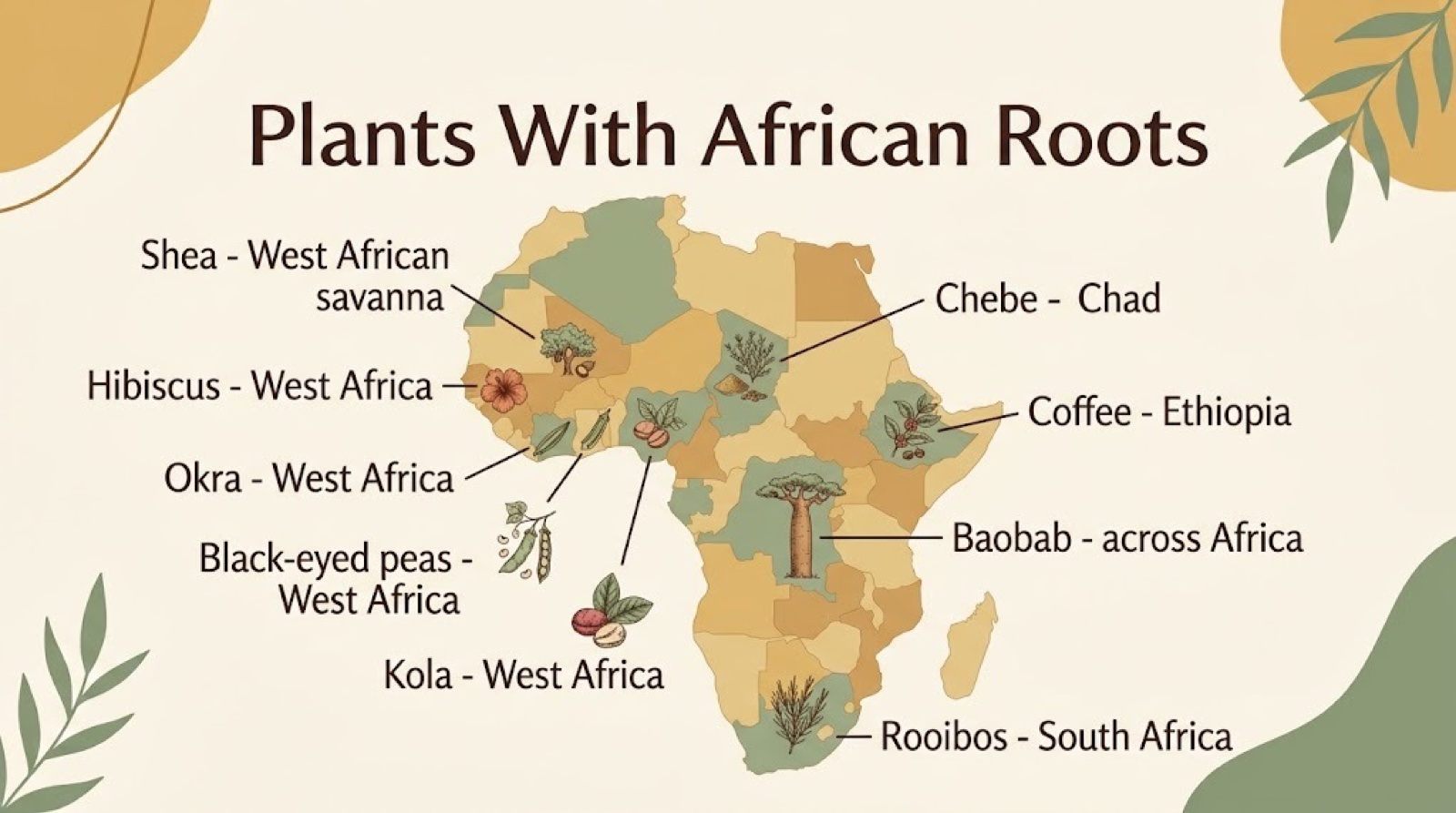
Historians Judith Carney and Richard Nicholas Rosomoff list rice, pearl millet, sorghum, Guinea yams, cowpeas, pigeon peas, okra and watermelon among the crops brought to the Americas from Africa and by Africans.
Braids: identity, and the story of maps
Hair as identity
Across West and Central Africa, a hairstyle could show a person's ethnic group, age, marriage status, rank or mourning. Braiding was a social ritual too: women doing each other's hair over hours of talk. That is well recorded.
Braids as escape maps
In San Basilio de Palenque, Colombia, a free town tied to the maroon leader Benkos Biohó, braiders still tell how their ancestors used patterns that meant "roads" or "we leave soon." Historians have not found written proof from the time, and there is no evidence of the practice in the United States. The story has been kept alive for generations, and that is part of its power.
Sources: Carney & Rosomoff, In the Shadow of Slavery · New York Botanical Garden, Judith Carney talk · Snopes, cornrow maps · Lenz claim analysis · The Zoe Report, chebe
Part two
Doctoring women, provision gardens and Gullah Geechee healing
The "doctor women"
On Southern plantations, enslaved women made medicines, nursed the sick and caught babies in both Black and white households. Historian Sharla Fett, in her book Working Cures (2002), shows that this work was essential to the plantation, and that it also gave these women real authority in their own communities.
Enslaved people often distrusted white doctors. Slaveholders feared what a skilled Black healer might do with her knowledge. Fett describes how enslaved people saw health as relational, bound up with family, faith and community, while slaveholders measured health only as "soundness" for labor. Herbal healing, midwifery and conjure were, in part, acts of resistance.
The gardens that kept us alive
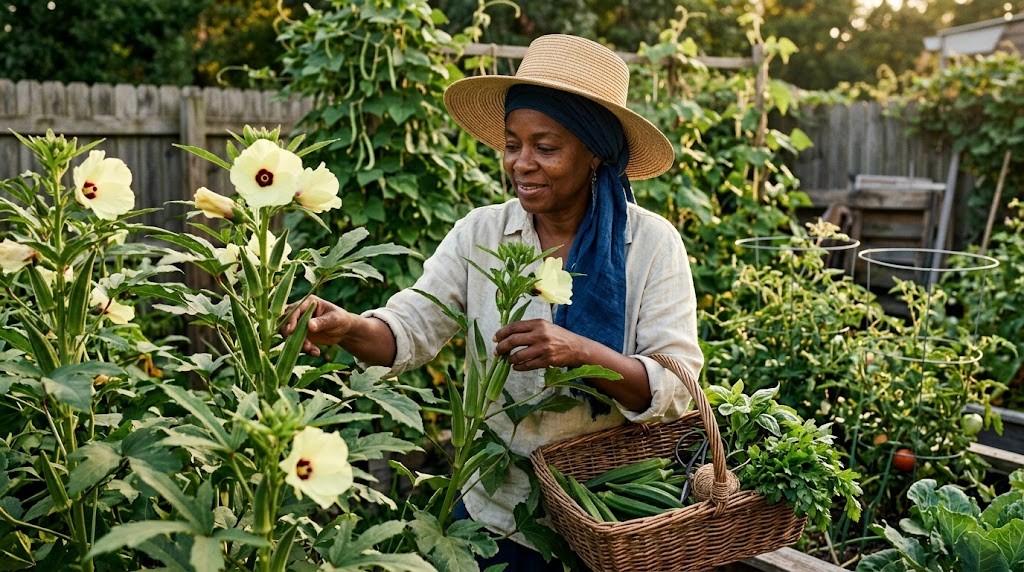
In In the Shadow of Slavery: Africa's Botanical Legacy in the Atlantic World, Judith Carney and Richard Nicholas Rosomoff turn our eyes away from the cash crops enslaved people were forced to grow, and toward the food they grew for themselves. Using slave-ship records, archaeology and oral history, they show how African seeds and know-how built the provision gardens that fed people: rice, okra, yams, black-eyed peas, millet and more. The book shared the Frederick Douglass Book Prize.
Carney's earlier book, Black Rice, made the case that West African women's rice-growing skill shaped the rice culture of the Carolinas.
Gullah Geechee foodways and medicine
Along the Sea Islands and the coast from about Wilmington, North Carolina, to St. Augustine, Florida, descendants of enslaved West and Central Africans kept a language, a food culture and a healing tradition with strong African roots. The rice-centered kitchen of red rice, okra soup, seafood and greens is a direct line back.
Root doctors and herbalists made teas, poultices and tonics from local plants, adapting African knowledge to new soil. A 2013 Georgia State University study found folk medicine is still used in the community, tied to family tradition, faith, distrust of the medical system and poor access to care. Congress created the Gullah/Geechee Cultural Heritage Corridor in 2006.
When your grandmother put a pot of greens on and saved the pot likker, she was practicing a science her great-great-grandmothers carried here. Honor that. And still take your blood pressure pill if your doctor prescribed it. We can do both.
Sources: Sharla Fett, Working Cures (UNC Press) · Princeton North Star review · Carney & Rosomoff review · National Park Service Gullah study · NPS Gullah exhibit · Georgia State thesis on Gullah folk medicine
Part three
The granny midwives, and how they were pushed out
Into the early 1900s, most babies in the rural South were caught by midwives. In Black communities these were usually older women called "granny" midwives. They learned by apprenticeship, prayer and "motherwit." Many carried a black bag and stayed with a family for days after a birth.
The push-out, step by step Documented
- 1921, Sheppard-Towner Act: federal money paid for states to train, register and supervise midwives. It helped at first, then fenced them in more and more.
- Early to mid 1900s: doctors and public-health officials campaigned against lay midwives as a "menace," and states tightened the rules.
- 1946, Hill-Burton Act: federal money for building hospitals moved births into hospitals.
- 1970s and 1980s: states stopped issuing new permits. By the 1980s granny midwives had been largely shut out of Southern health care.
Today's Black doulas and community midwives often call themselves the heirs of these grandmothers.
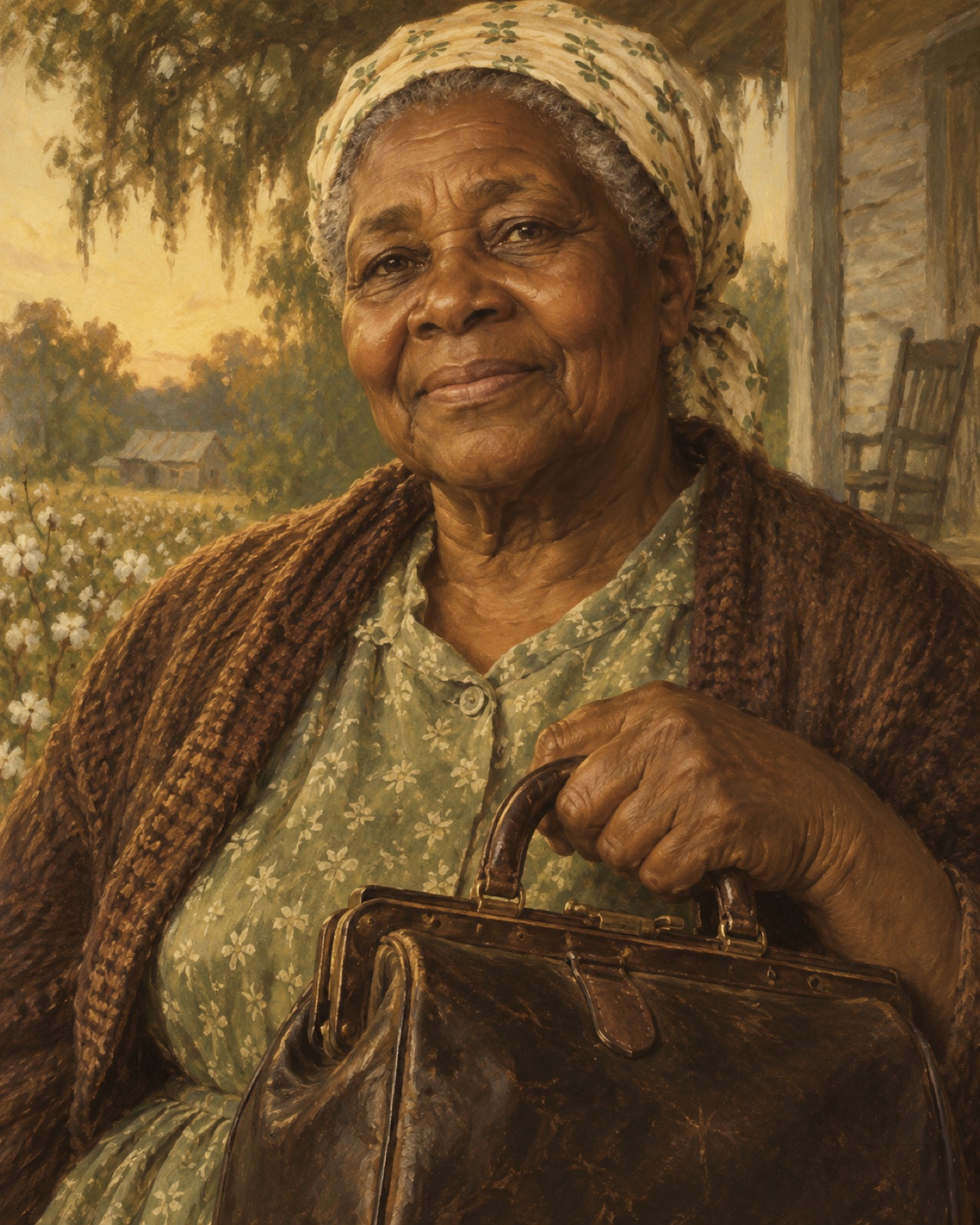
Onnie Lee Logan
Received her midwife permit in Mobile County, Alabama, in 1949. After a 1980 Alabama law stopped licensing new midwives, she was the last one left in the county until 1984, when she was asked to stop. Her memoir Motherwit: An Alabama Midwife's Story came out in 1989.
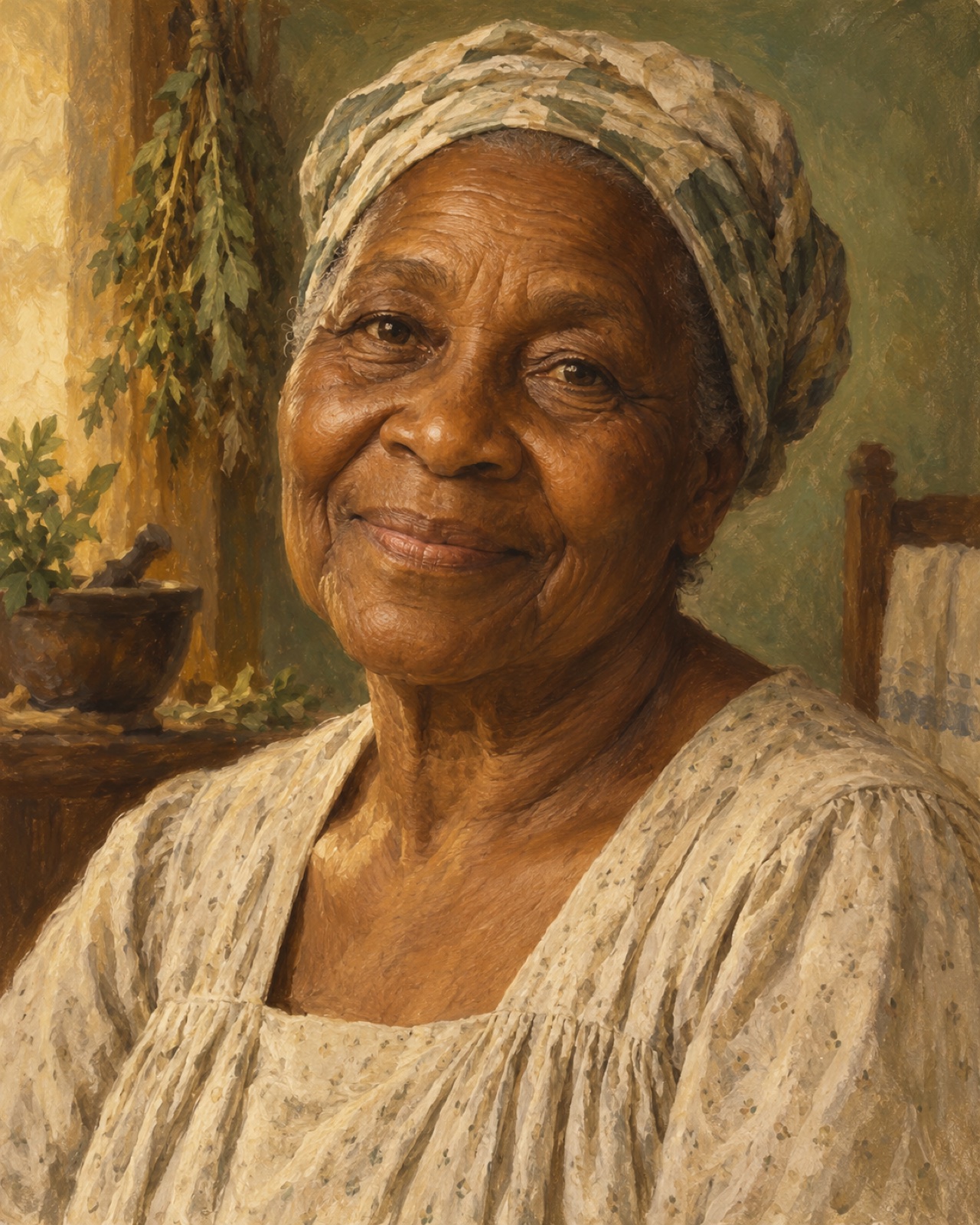
Margaret Charles Smith
Also received her permit in 1949, in Greene County, Alabama, and practiced for about 35 years, catching thousands of babies. Her life story, Listen to Me Good, was published in 1996. She is in the Alabama Women's Hall of Fame.
Sources: Encyclopedia of Alabama, Onnie Lee Logan · Alabama Women's Hall of Fame · Reckon · Nursing Clio · Florida Memory
Part four
Pioneers who opened the doors
Doctors, nurses, businesswomen, organizers and scientists. Some won the honor they deserved. Some were harmed by the very system they made better. The portraits here are painted illustrations, not photographs. For women still living, we show a painted scene honoring their work instead of a likeness.
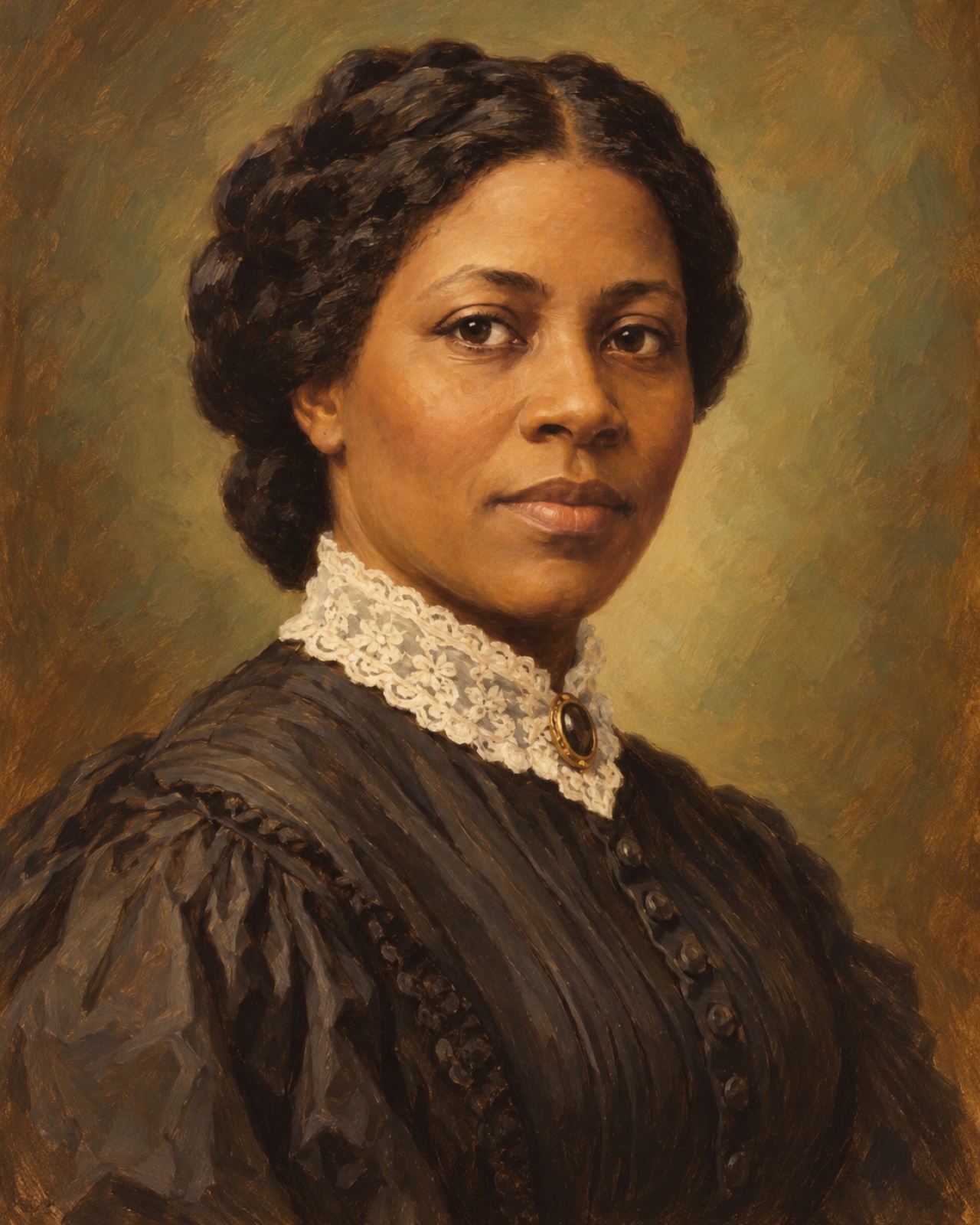
Rebecca Lee Crumpler
1831–1895 · Physician
Earned her M.D. in Boston in 1864, the first African American woman in the U.S. to do so. After the Civil War she treated freedpeople in Richmond. Her A Book of Medical Discourses (1883), on caring for women and children, is one of the earliest medical books by a Black author.
Documented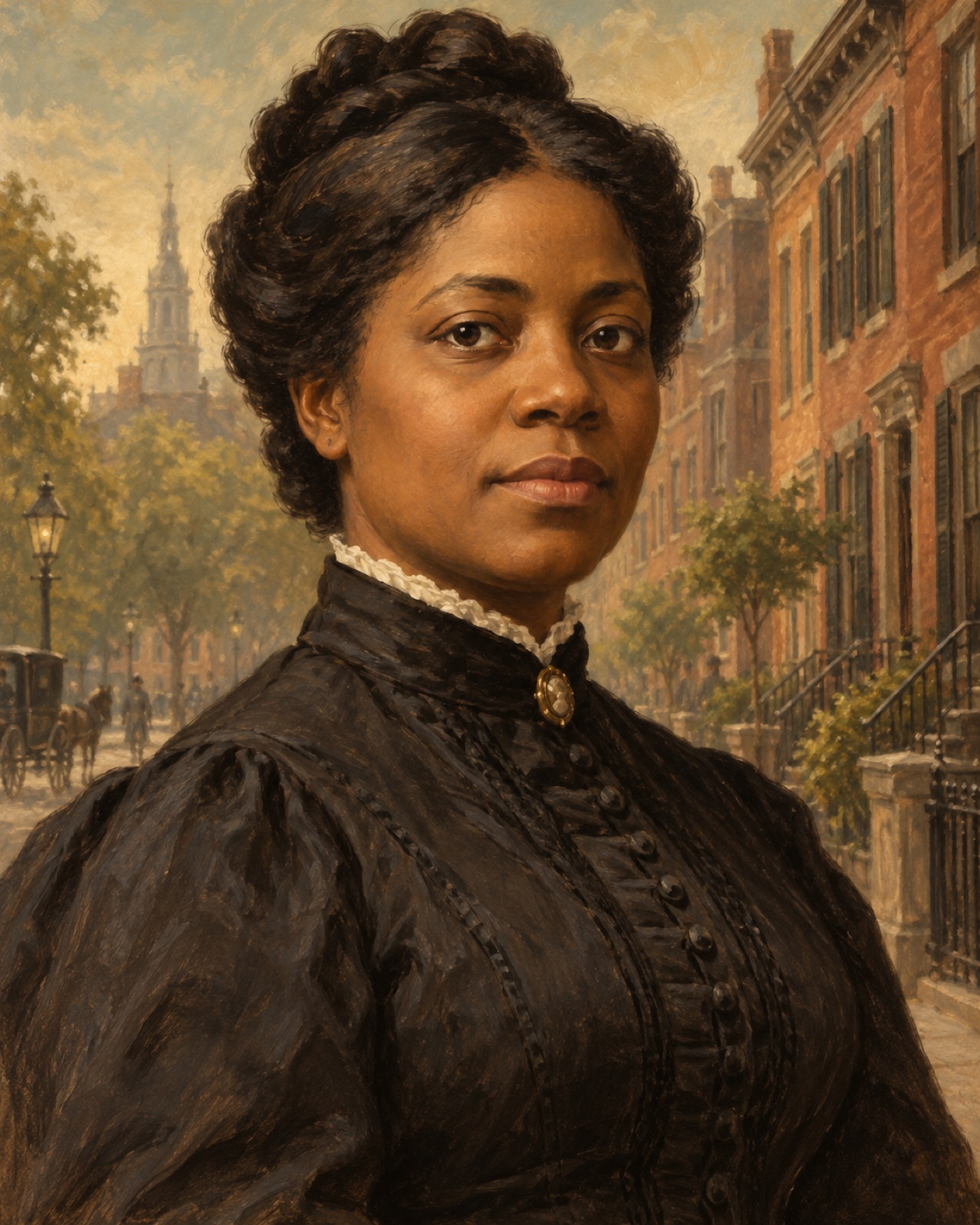
Rebecca J. Cole
1846–1922 · Physician, Philadelphia
Philadelphia's own. The second African American woman physician in the U.S. (1867) and the first Black graduate of the Woman's Medical College of Pennsylvania. More about her in our Philadelphia story below. No photograph of her is known, so this portrait is an artist's imagining.
Documented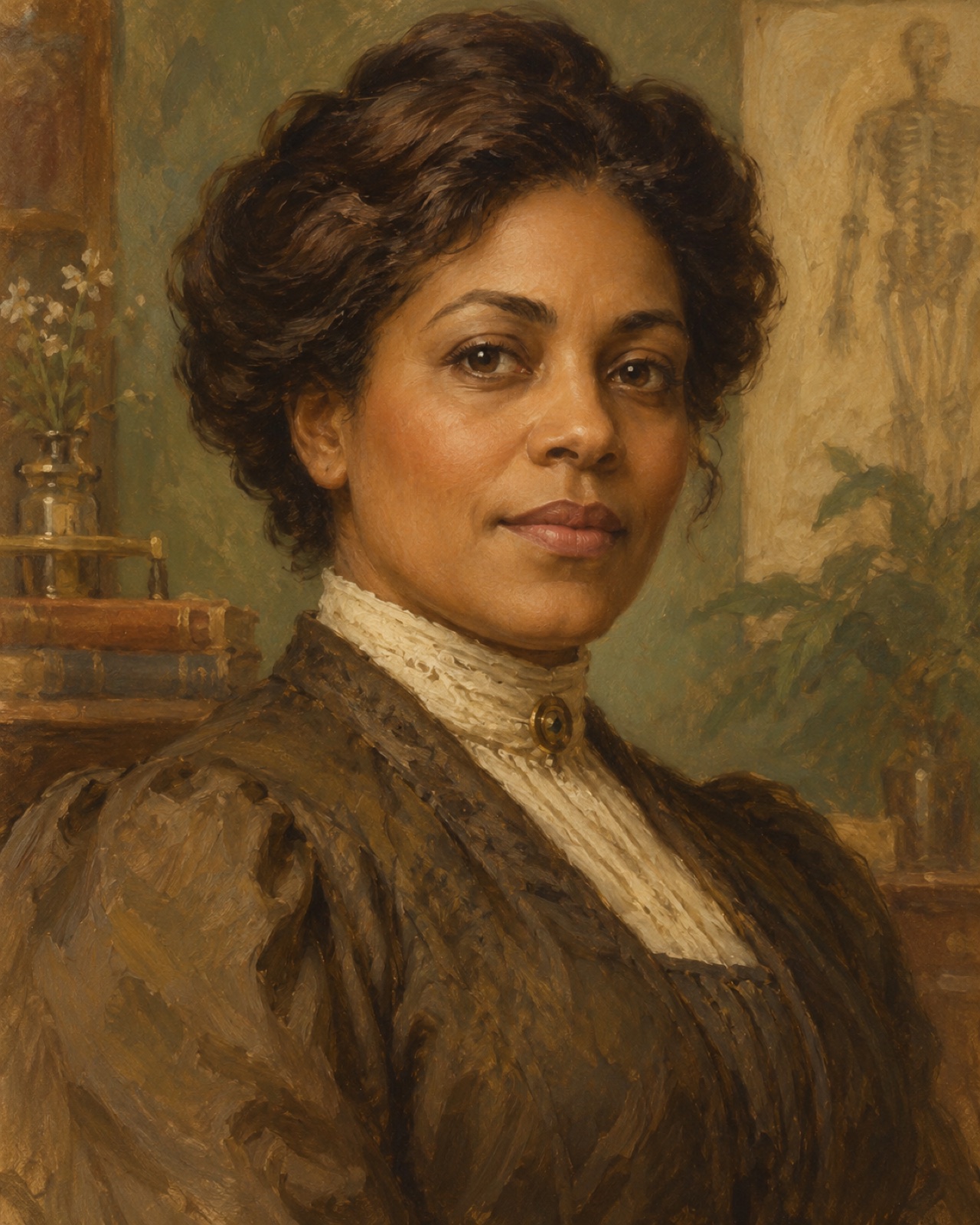
Halle Tanner Dillon Johnson
1864–1901 · Physician
Graduated from the Woman's Medical College of Pennsylvania in 1891, then passed a 10-day Alabama board exam to become the first woman of any race licensed to practice medicine in Alabama. Served as resident physician at Tuskegee. She died of childbirth complications in 1901.
Documented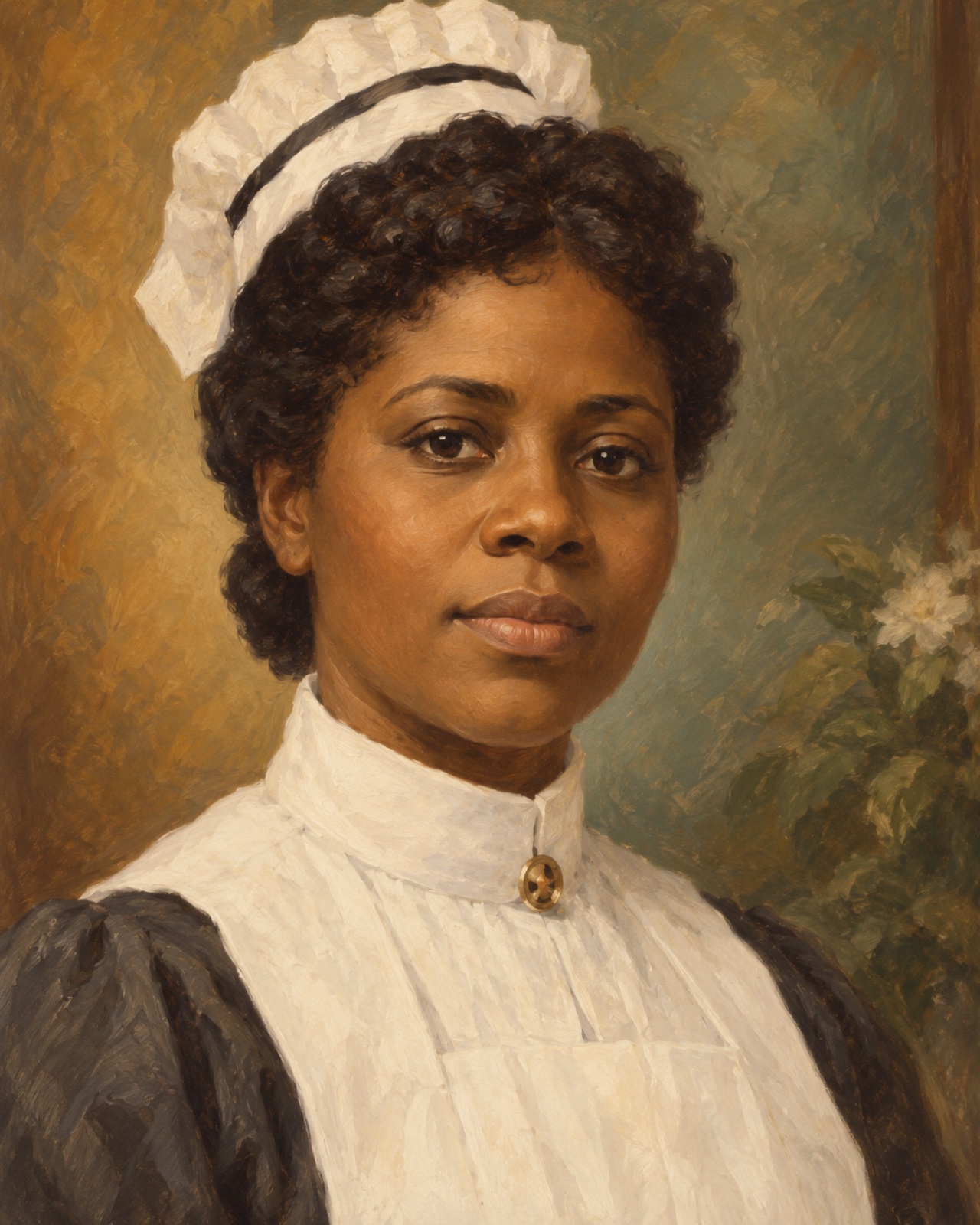
Mary Eliza Mahoney
1845–1926 · Nurse
Worked about 15 years as a cook, cleaner and aide at a Boston women's hospital before entering its nursing school. Graduated in 1879, the first African American to complete professional nurse training in the U.S. Co-founded the National Association of Colored Graduate Nurses in 1908.
Documented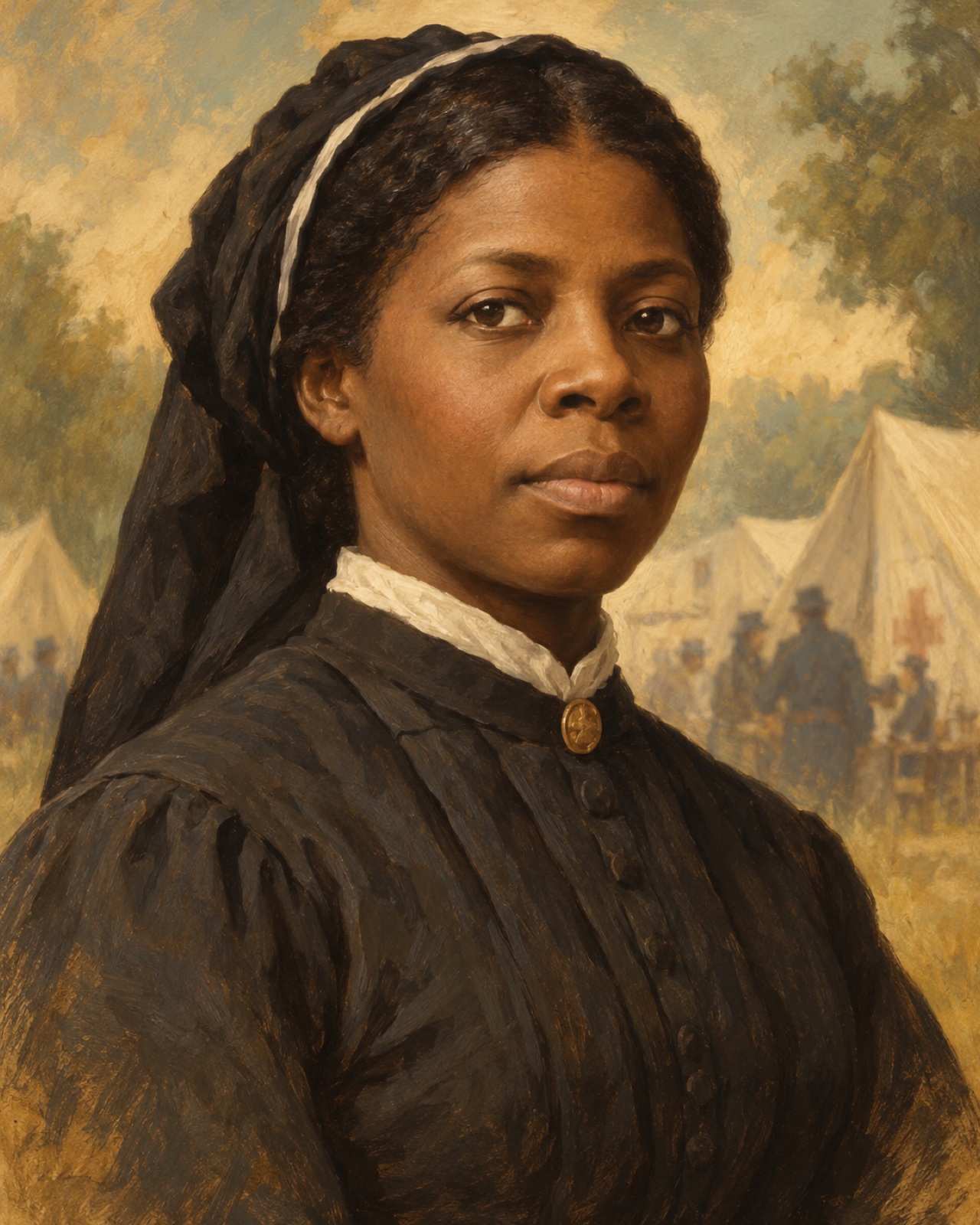
Susie King Taylor
1848–1912 · Civil War nurse and teacher
Born enslaved in Georgia. Officially a laundress for a Black Union regiment, she worked as nurse and teacher and was never paid for it. Her 1902 memoir is the only known published memoir by a Black woman about her Civil War service.
Documented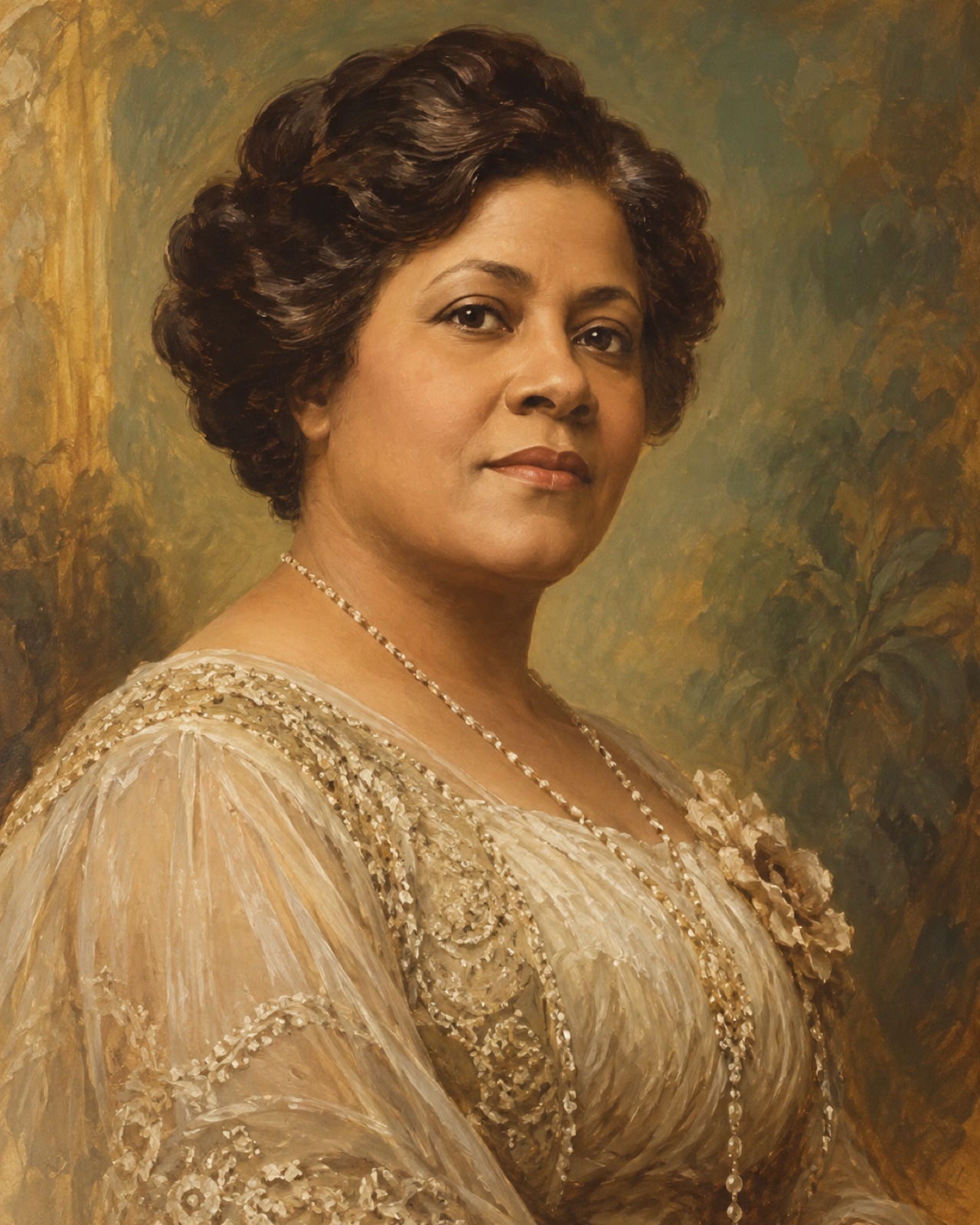
Annie Turnbo Malone
1869 or 1877–1957 · Hair-care pioneer
Selling her "Poro" scalp and hair products door to door by about 1902. "Poro" comes from a West African word for a society tied to growth of body and spirit. She opened Poro College in St. Louis, the first U.S. school devoted to Black cosmetology. The Smithsonian credits her as the pioneer Madam C.J. Walker followed.
Birth year disputed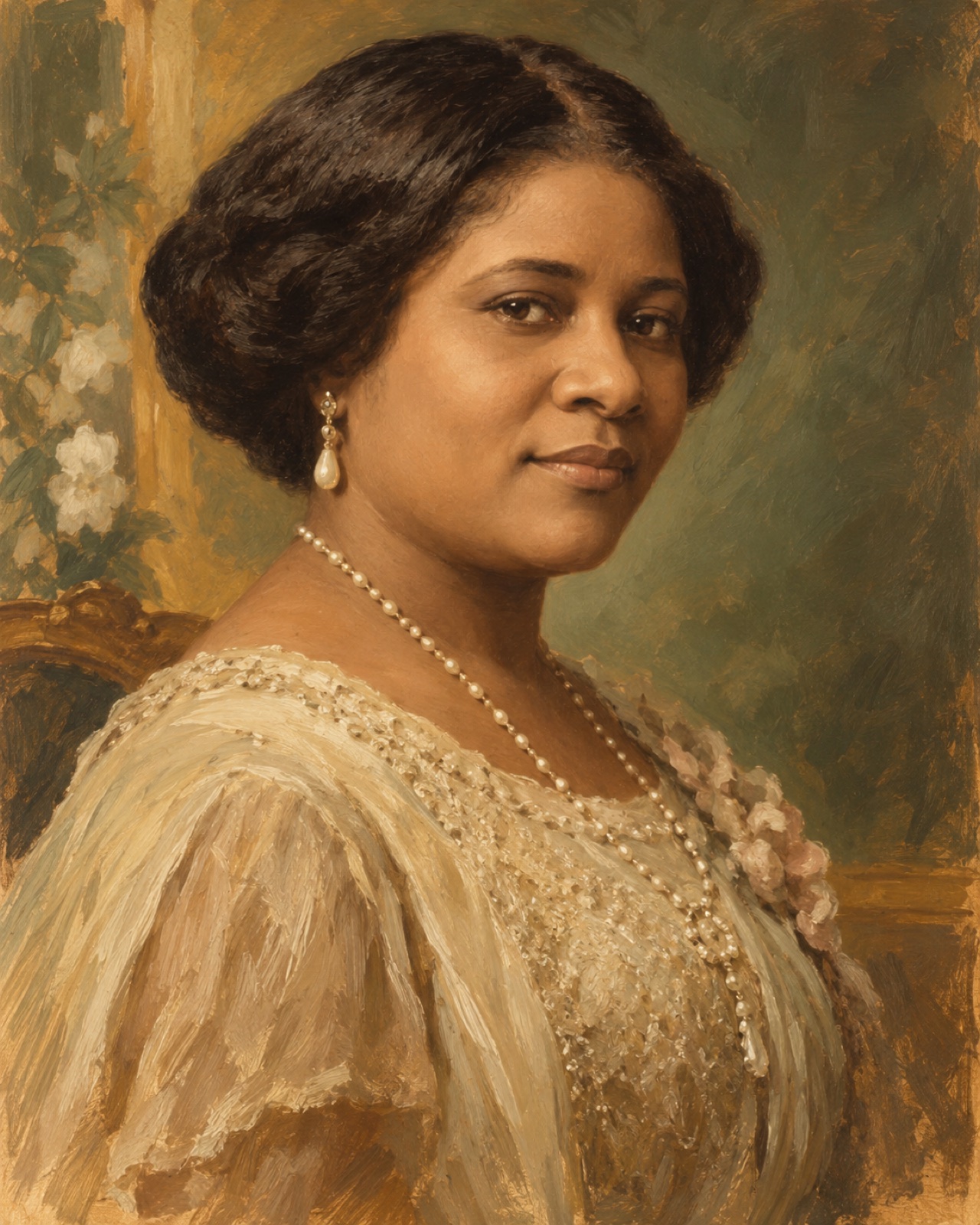
Madam C.J. Walker
1867–1919 · Businesswoman
Born Sarah Breedlove. She lost much of her hair to a scalp condition in the 1890s, worked as a Malone agent, then launched her own company and "Wonderful Hair Grower" around 1905–1906. She trained thousands of women as agents, giving them income outside domestic work. The Smithsonian calls her the first African American woman millionaire. Myth check: she did not invent the hot comb.
Documented Formula-copying claim disputed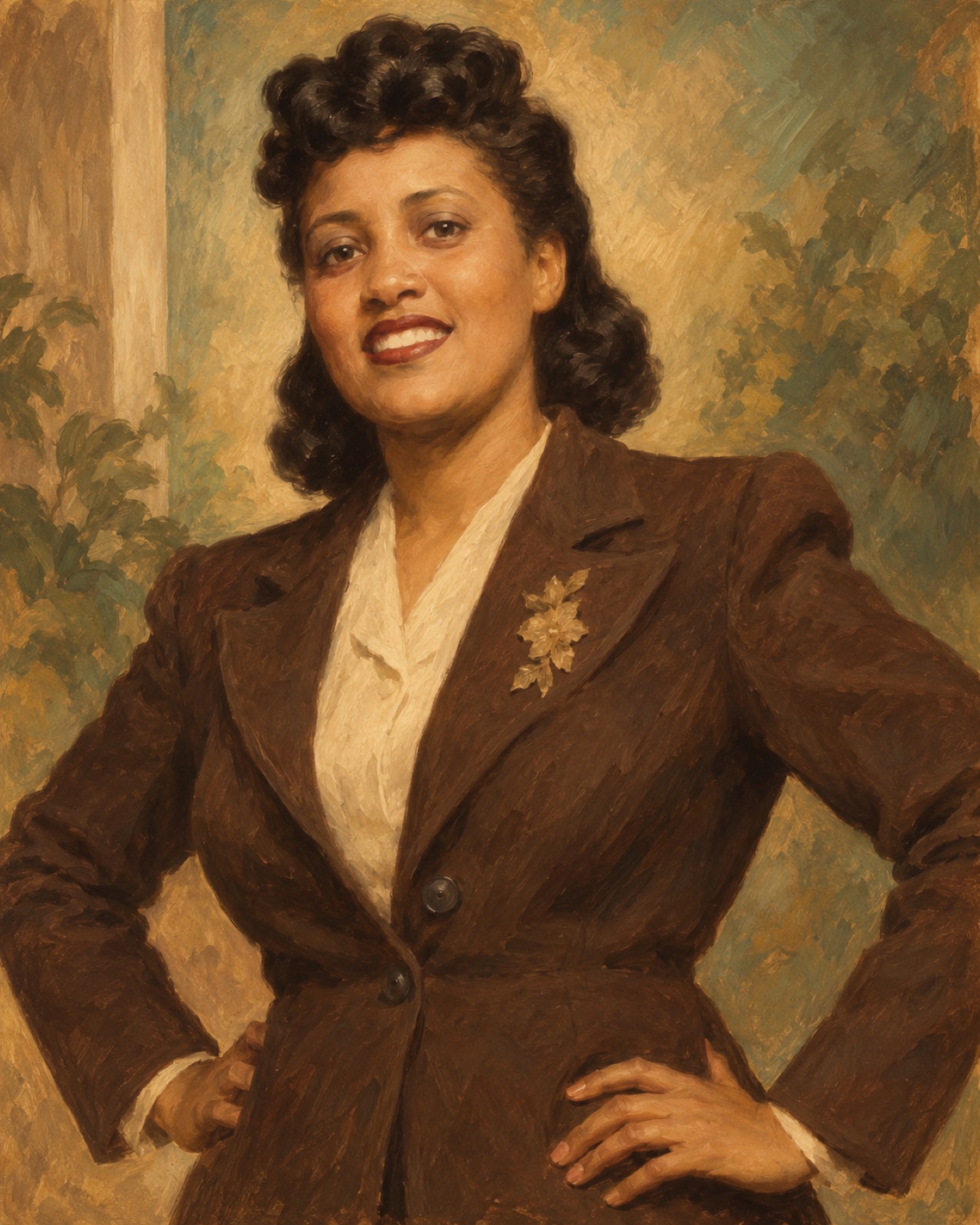
Henrietta Lacks
1920–1951 · The woman behind HeLa
In 1951, while she was treated for cervical cancer at Johns Hopkins, doctors took her tissue without her knowledge or consent. Her cells became HeLa, the first human cell line to keep growing in the lab, and fed decades of research, including the polio vaccine. She died on 4 October 1951. In 2013 her family gained a voice in access to the HeLa genome; in 2023 they settled a lawsuit with Thermo Fisher Scientific.
Documented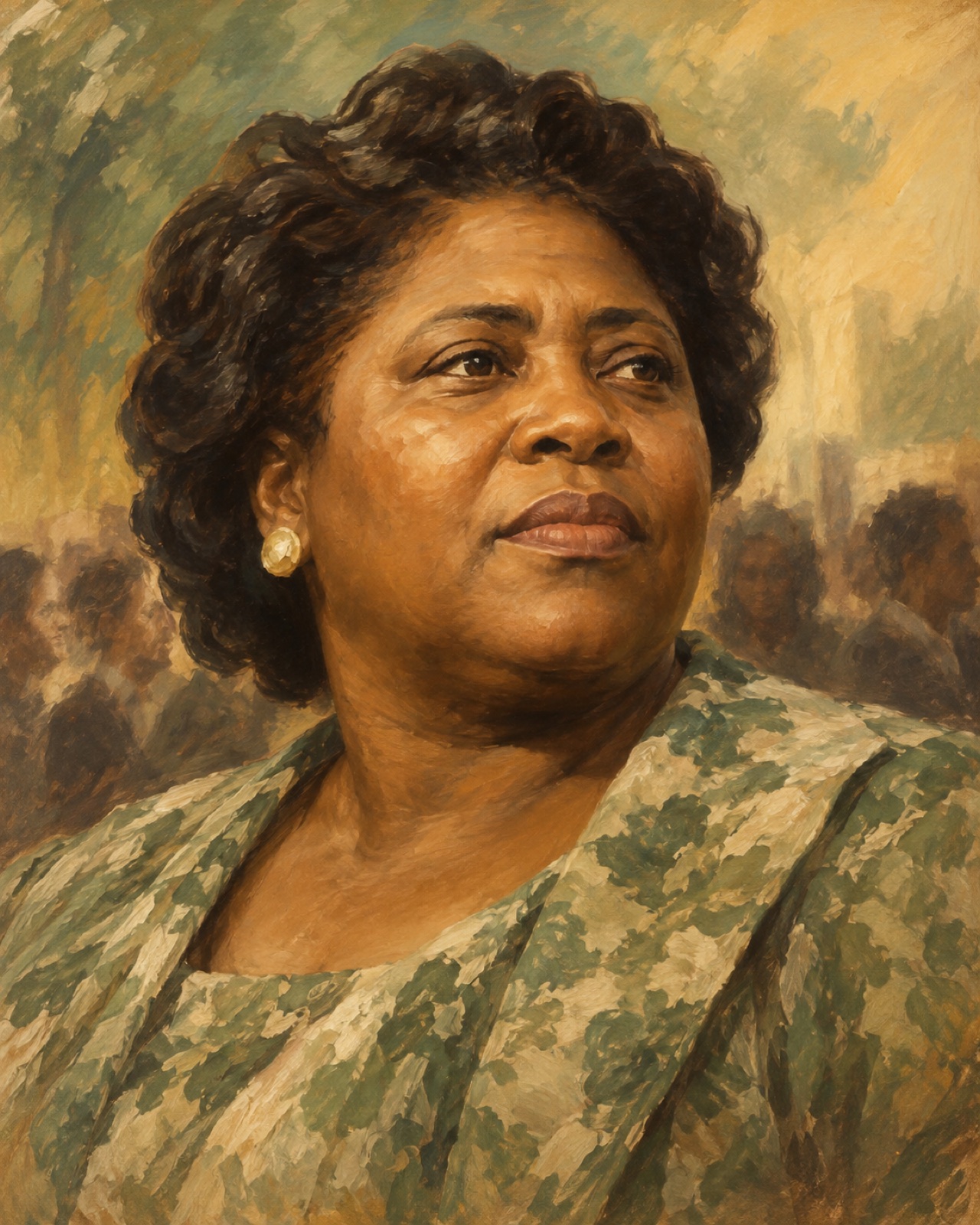
Fannie Lou Hamer
1917–1977 · Organizer
In 1961 a Mississippi doctor gave her a hysterectomy without her consent during surgery to remove a tumor. Forced sterilization of poor Black women was so common there that people called it a "Mississippi appendectomy." She became a leading voting-rights organizer and in 1969 founded the Freedom Farm Cooperative, fighting hunger as a health issue.
Documented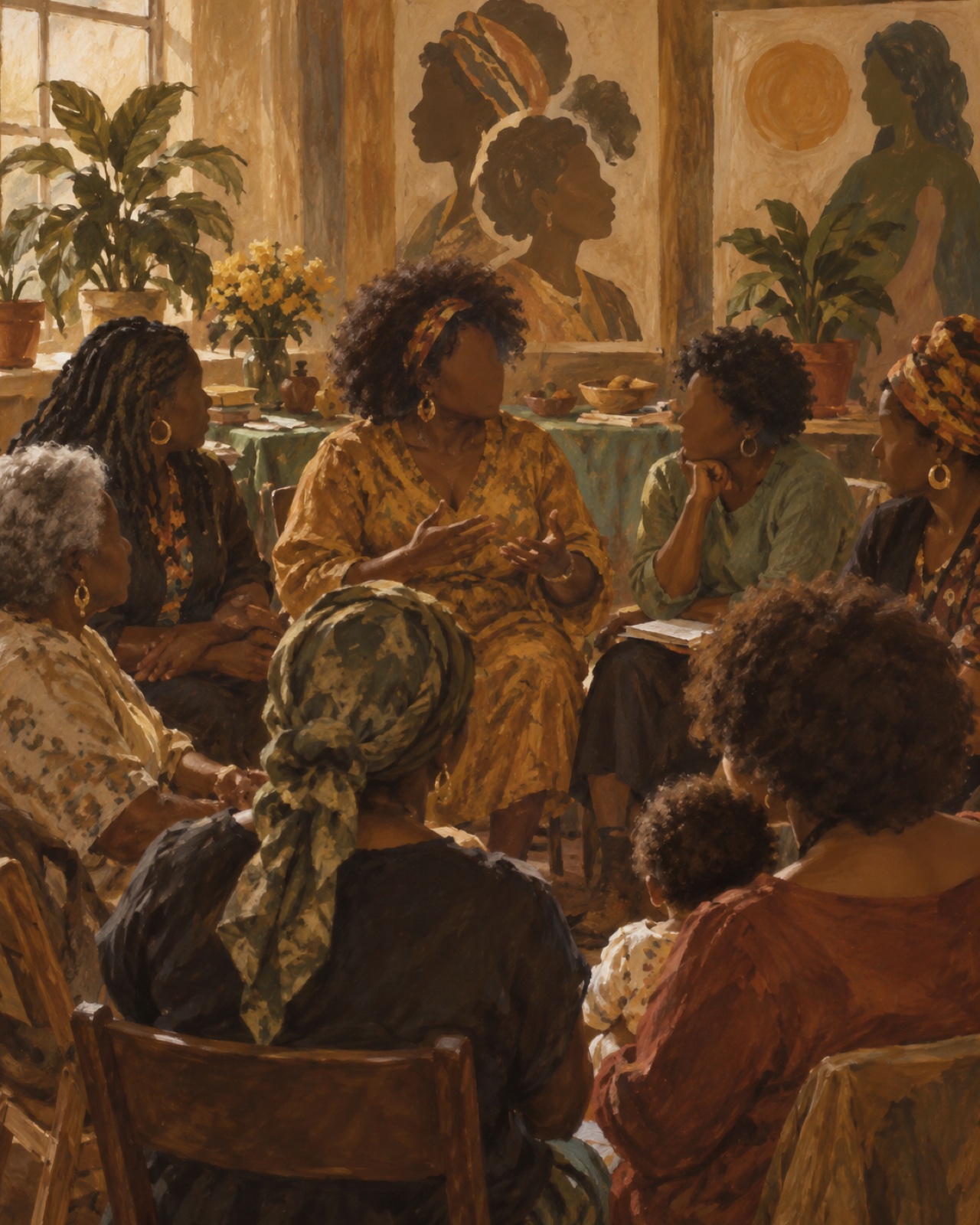
Byllye Avery
Born 1937 · Health activist
In June 1983, roughly 1,600 to 2,000 women gathered at Spelman College in Atlanta for the first national conference on Black women's health, launching the National Black Women's Health Project. Its self-help groups let women speak openly about their health. Today it is the Black Women's Health Imperative. Avery received a MacArthur Fellowship in 1989.
Documented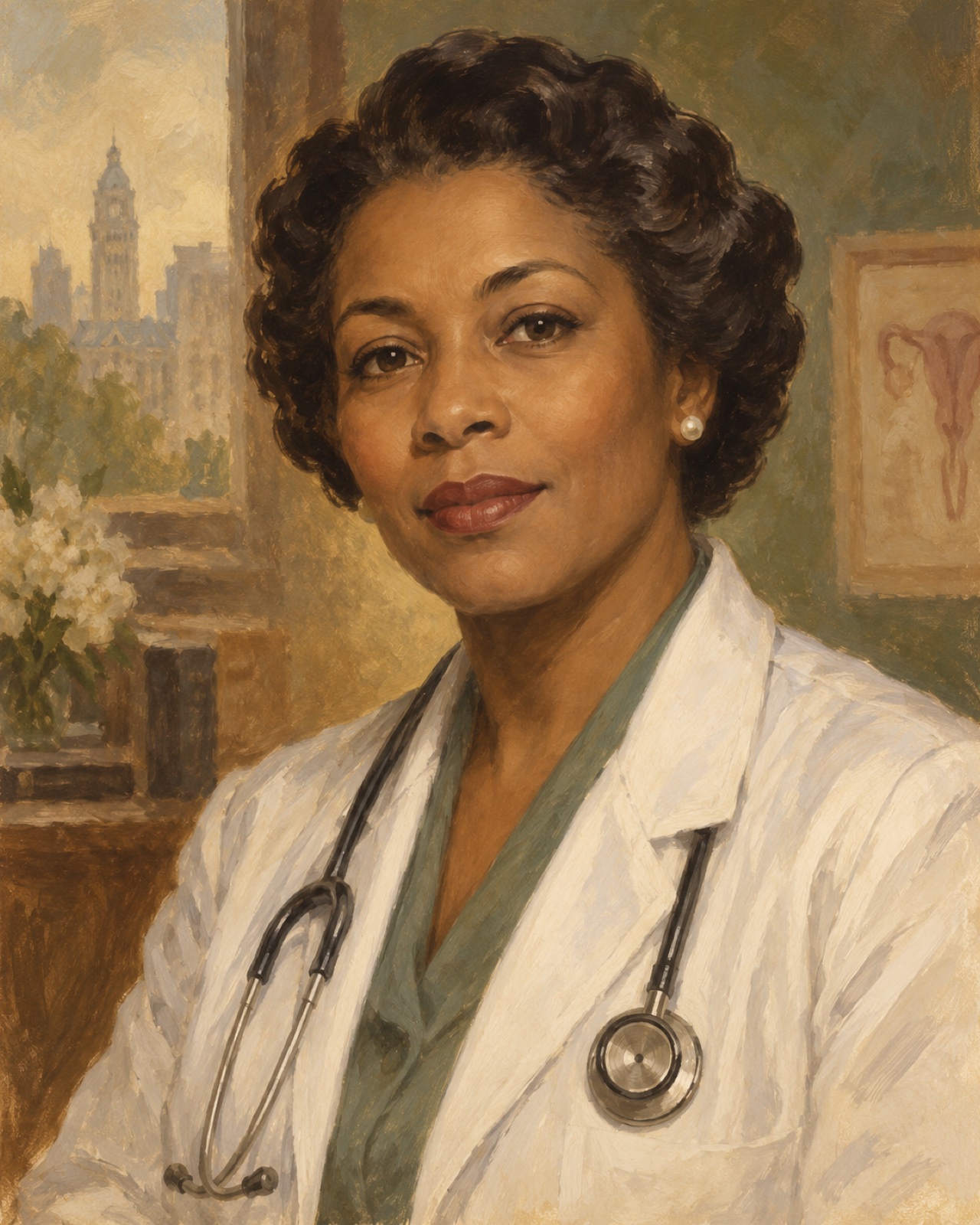
Dr. Helen Octavia Dickens
1909–2001 · OB-GYN, Philadelphia
Led obstetrics and gynecology at Philadelphia's Mercy-Douglass Hospital. In 1950 she became the first African American woman admitted to the American College of Surgeons, then Penn's first Black woman full professor. She opened a clinic for pregnant teens and pushed Pap-smear screening for Black women.
Documented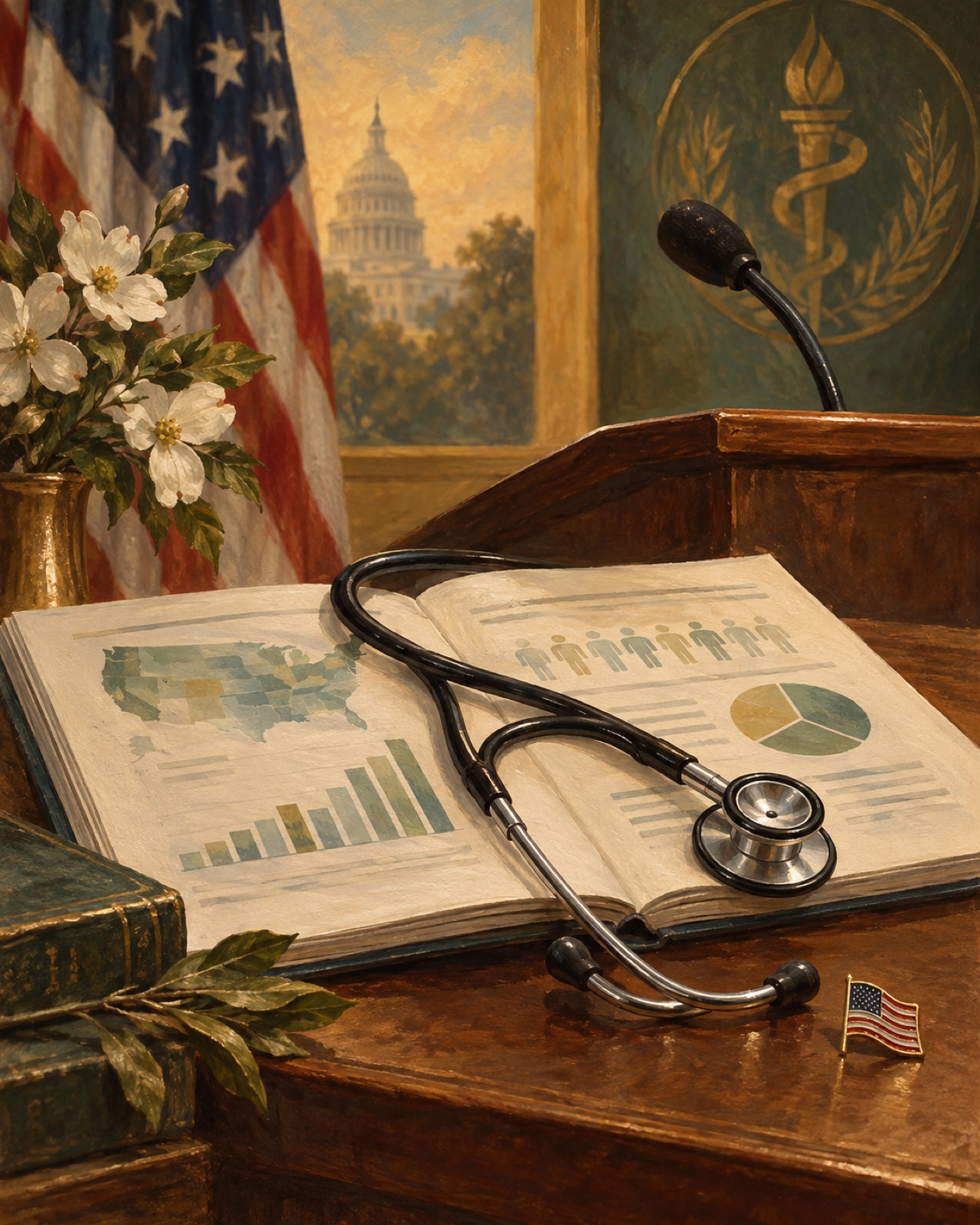
Dr. Joycelyn Elders
Born 1933 · U.S. Surgeon General
A children's hormone specialist who led the Arkansas Department of Health. Sworn in as U.S. Surgeon General in September 1993, the first African American and second woman in the post. She spoke frankly about sex education and teen pregnancy and was forced to resign in December 1994.
Documented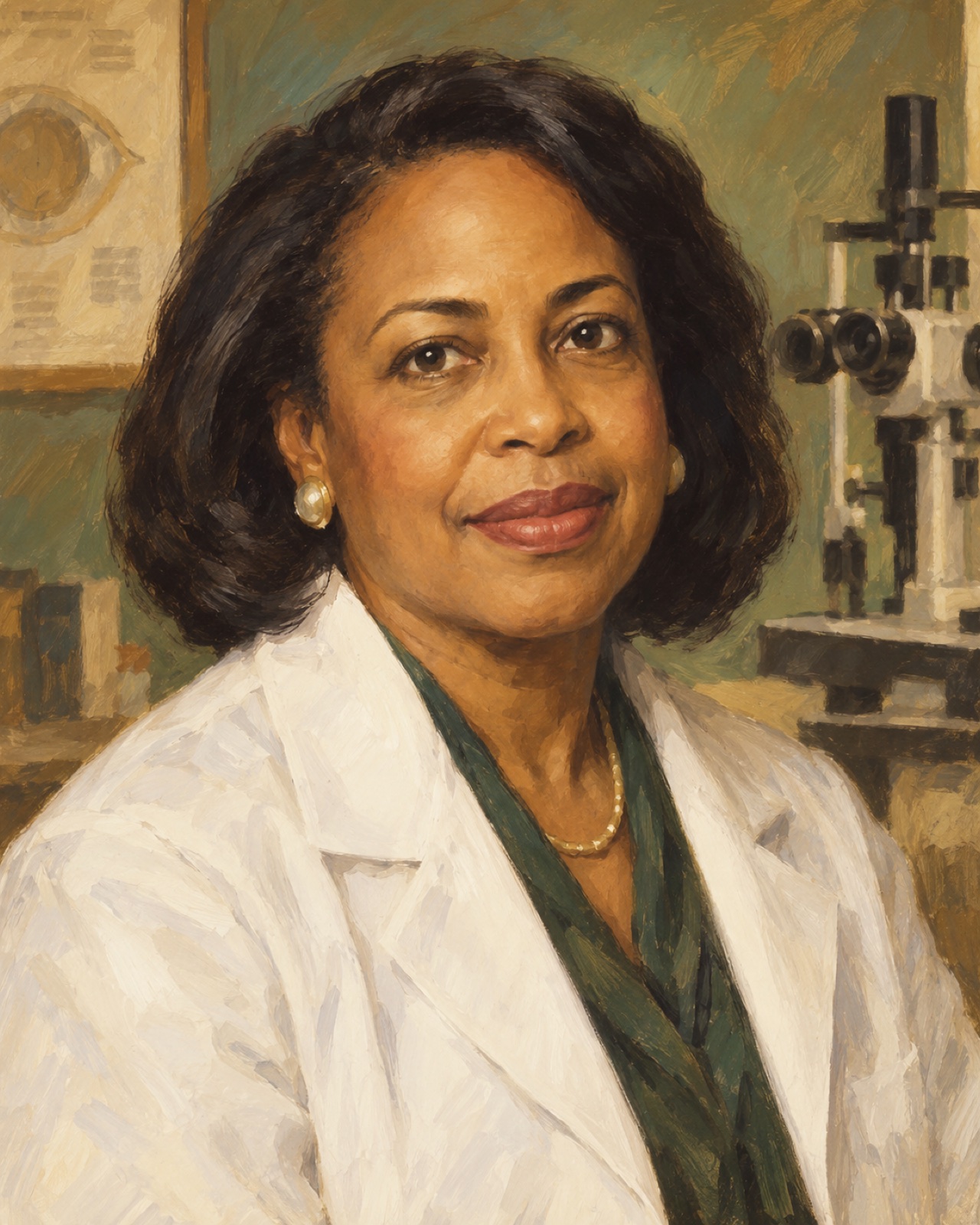
Dr. Patricia Bath
1942–2019 · Eye doctor and inventor
Founded community ophthalmology, arguing that blindness in poor and Black neighborhoods could be prevented. In 1988 she patented the Laserphaco Probe for cataract removal, becoming the first Black woman physician to receive a U.S. medical patent.
Documented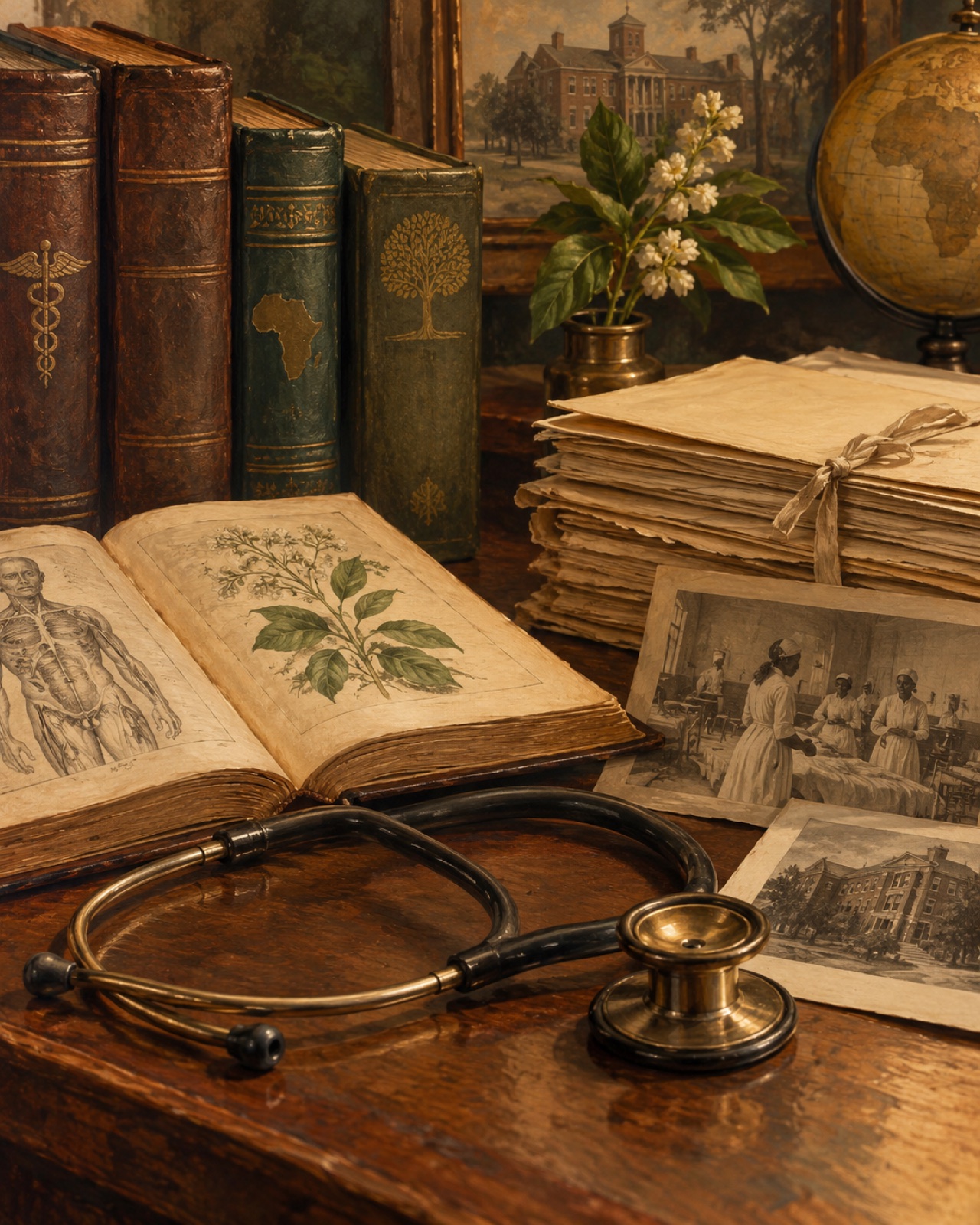
Dr. Vanessa Northington Gamble
Born 1953 · Physician and historian
Wrote the history of the Black hospital movement and chaired the Tuskegee Syphilis Study Legacy Committee, whose work led to President Clinton's formal apology on 16 May 1997.
Documented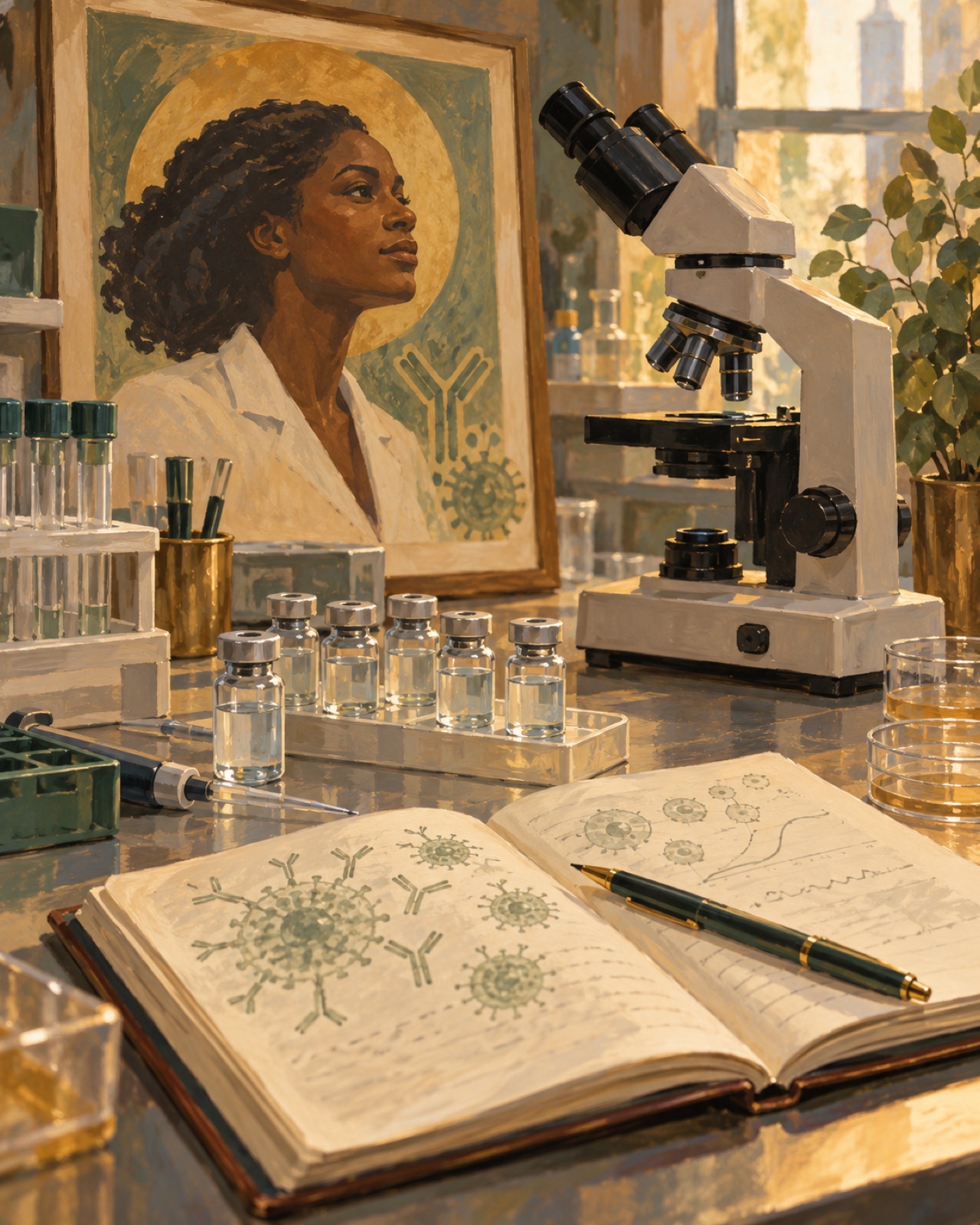
Dr. Kizzmekia Corbett-Helaire
Born 1986 · Immunologist
Scientific lead of the coronavirus team at the NIH Vaccine Research Center. In 2020 her team's spike-protein design work helped produce the Moderna COVID-19 vaccine. She joined Harvard's school of public health in 2021. (How credit is shared between her team and Moderna has been publicly debated.)
Documented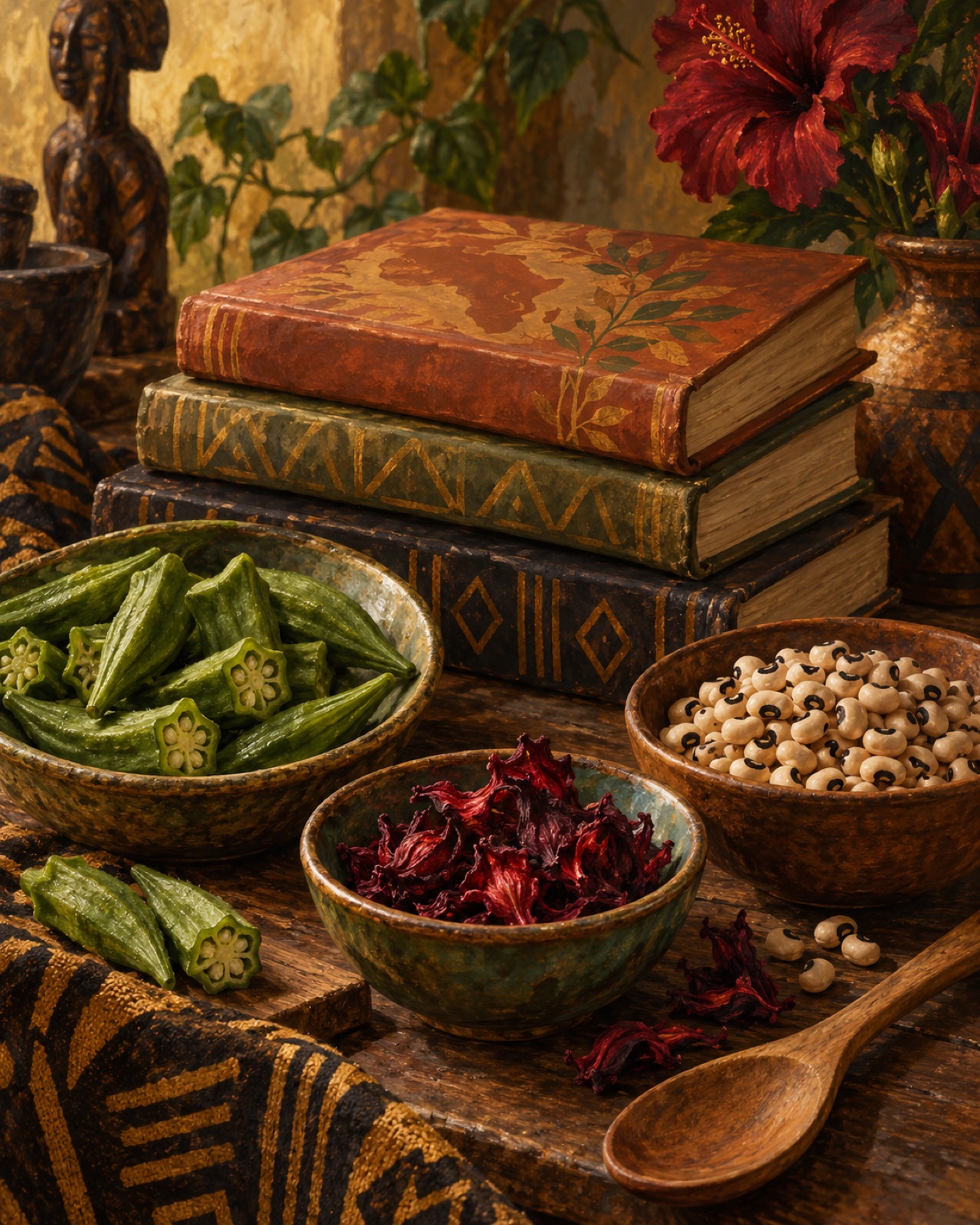
Dr. Jessica B. Harris
Culinary historian
Traced our food from West Africa to America in High on the Hog (2011). The Netflix series based on it premiered in 2021 and won a Peabody Award. She received a James Beard Lifetime Achievement Award in 2020.
DocumentedSources: NLM, Crumpler · Crumpler's book (Gutenberg) · Encyclopedia of Alabama, Halle Tanner Dillon · National Geographic, Mahoney · American Battlefield Trust, Taylor · BlackPast, Malone · Smithsonian, Walker · NIH–Lacks Family Agreement · Andscape, Lacks settlement · Smithsonian Gardens, Freedom Farm · SNCC Digital · Britannica, Avery · Black Women's Health Imperative · NLM, Elders · Britannica, Bath · NLM, Gamble · Harvard Chan, Corbett · Peabody Awards · GMA on Serena Williams · Axios on CDC 2023 data
Part five
Philadelphia's story
Our city has been a home for Black healing since the 1700s: mutual aid societies, one of the first Black women doctors, and hospitals Black Philadelphians built when others shut them out.
Dr. Rebecca J. Cole (1846–1922)
Born in Philadelphia and educated at the Institute for Colored Youth. In 1867 she earned her M.D. from the Woman's Medical College of Pennsylvania. Her thesis, supervised by Dean Ann Preston, was "The Eye and Its Appendages."
She worked in New York as a "sanitary visitor," going into tenement homes to teach families about hygiene and baby care. Back in Philadelphia, in 1873 she and Charlotte Abbey opened a Women's Directory Center offering medical and legal help to poor women and children. She argued in public that disease in Black neighborhoods came from poverty and neglect, not race. That idea still matters today.
Daughters of Africa, 1821
The men's Free African Society (1787) is famous; its members nursed the sick through the 1793 yellow fever epidemic. Black women built their own benevolent societies too. The Daughters of Africa, founded in 1821 and made up mostly of washerwomen and domestic workers, pooled small dues to pay sick and death benefits. Their minutes survive at the Library Company of Philadelphia. A 1838 survey counted about 80 Black benevolent societies in the city.
Douglass and Mercy hospitals
Frederick Douglass Memorial Hospital was founded in 1895 by Dr. Nathan Francis Mossell, Penn medical school's first African American graduate. It was the city's first Black-run hospital and trained Black nurses and doctors barred elsewhere. Mercy Hospital opened on 12 February 1907 at 17th and Fitzwater. The two merged in 1948 as Mercy-Douglass Hospital in West Philadelphia, which closed in 1973.
Dr. Helen O. Dickens
Ran OB-GYN at Mercy-Douglass for many years. First African American woman in the American College of Surgeons (1950). In 1967 she opened a clinic at Penn for pregnant teenagers, and she championed Pap-smear cancer screening for Black women in our city.
Those washerwomen in 1821 had almost nothing, and they still made sure no sister faced sickness alone. That is our inheritance. Check on your people.
Sources: NLM, Rebecca Cole · Smithsonian Magazine · Free Library of Philadelphia · Penn Holman Library · Clio, Mercy-Douglass · WHYY, The Story of Mercy-Douglass · NLM, Dickens · Mütter Museum · Library Company, Black Founders · Encyclopedia of Greater Philadelphia · National Humanities Center (1838 data)
Part six
Our hair: hot combs, relaxers, the Afro and the CROWN Act
The hot comb
Heated combs were sold to white women and men in U.S. store catalogs by the 1880s. The French hairdresser Marcel Grateau is often called the inventor, but his patents were for curling irons, so the Smithsonian's museum treats that claim with caution. Malone, Walker and their agents made pressing a weekly ritual for Black women in the early 1900s. Walker did not invent it.
The chemical relaxer
Inventor Garrett A. Morgan, better known for his safety hood and traffic signal, was testing a liquid to stop sewing-machine needles from scorching cloth when he noticed it straightened fibers. He sold it as a hair cream. The discovery is dated 1905 or 1909. Lye and later "no-lye" relaxers spread widely in the mid-1900s.
The Afro and "Black is beautiful"
In the civil rights and Black Power years of the 1960s and 70s, wearing hair natural became a political statement, worn by activists, students and artists such as Angela Davis. It rejected the idea that straightened hair was required to look respectable.
The natural hair movement
From the mid-2000s, many of us stopped relaxing, through the big chop or by transitioning. Women found each other on forums, blogs and YouTube, and built a market for products made for curls and coils.
The NIH Sister Study (2022) followed about 33,500 women for nearly 11 years. Women who used hair straighteners more than four times a year had an estimated uterine cancer risk of about 4.05% by age 70, compared with 1.64% for women who never used them. In 2023 the FDA said it would propose banning formaldehyde in heated straightening products. As of October 2026 the proposal has missed every deadline and still has not been published (the latest target is November 2026), so no ban is in place. See our Hair page for safer choices.
The CROWN Act, step by step
CROWN stands for "Creating a Respectful and Open World for Natural Hair." These laws make it illegal to treat someone unfairly at work or school because of hair texture or protective styles such as locs, braids, twists, Bantu knots and Afros.
California
Gov. Gavin Newsom signed SB 188 on 3 July 2019, the first state CROWN Act.
Philadelphia
The first place in Pennsylvania to ban hair discrimination, through a bill introduced by then-Councilmember, now Mayor, Cherelle Parker.
Pennsylvania
Gov. Josh Shapiro signed HB 439 on 25 November 2025 at a Philadelphia salon. It took effect on 24 January 2026.
Federal
The U.S. House passed it in 2022 but it died in the Senate. It was reintroduced in 2025. There is no federal CROWN law.
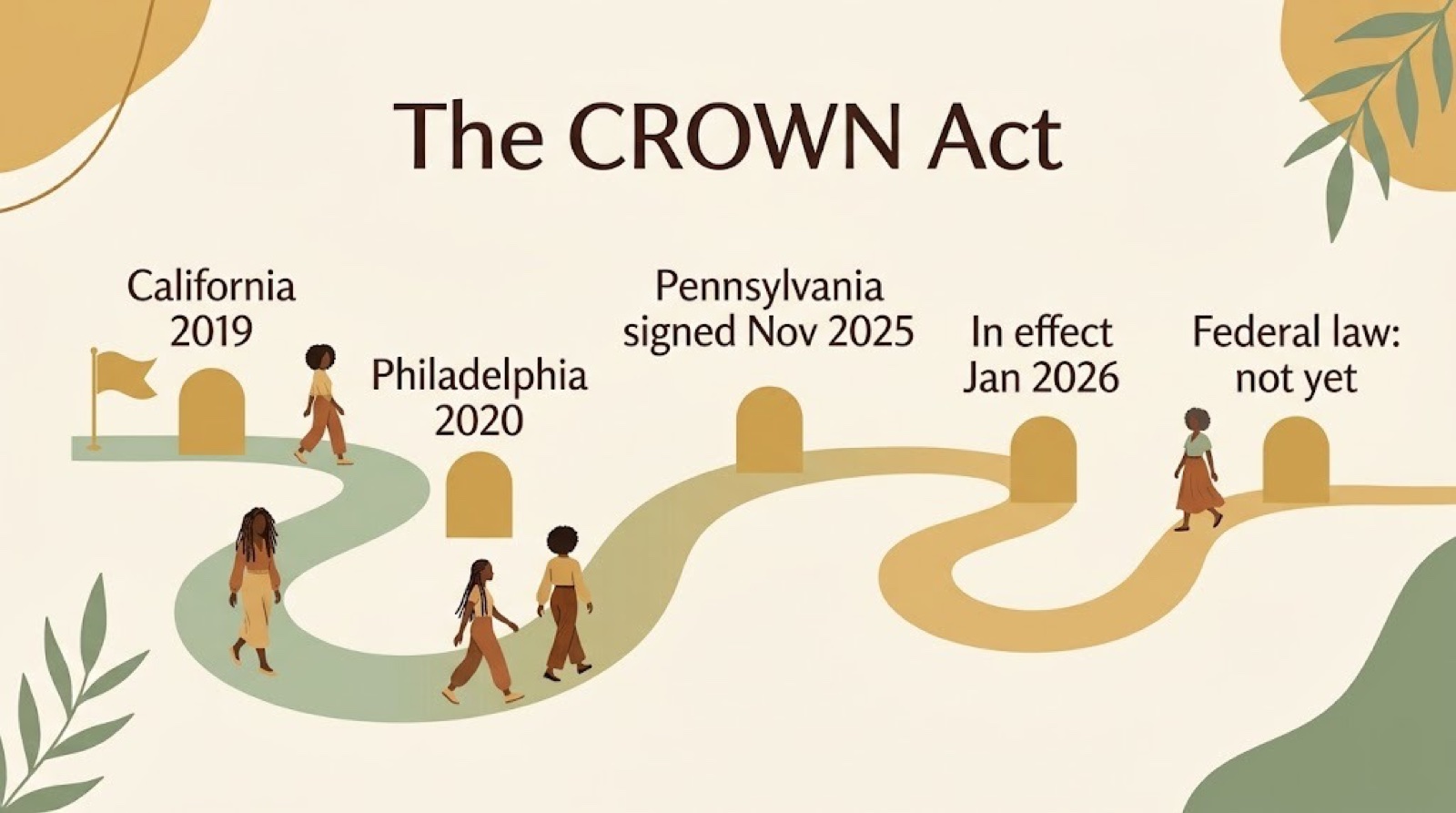
In Pennsylvania, nobody can turn you away from a job or send your baby home from school for her braids or her locs. Know your rights, and wear your crown.
Sources: NMAAHC, "Sizzle" · IEEE Spectrum · Biography.com, Garrett Morgan · NIEHS Sister Study · NPR, FDA proposal · ChemLinked, FDA timeline · Governor of California · Philadelphia City Council · City of Philadelphia · PA Human Relations Commission · WITF · LegiScan, S. 751 · Economic Policy Institute
Part seven
Soul food: where it came from, and the way back
Documented Soul food grew in the American South from the cooking of enslaved Africans. It drew on African crops like okra, black-eyed peas, rice, yams, greens, sesame and watermelon, and on African ways of cooking: one-pot stews, slow-simmered greens and their pot likker. The everyday diet was heavy on vegetables, beans and grains, with meat used mostly for seasoning.
The name "soul food" caught on in the mid-1960s, alongside soul music and the Black Power movement.
During the Great Migration, Southern dishes moved north to cities like Philadelphia. Celebration food such as fried chicken, macaroni and cheese and sweets became everyday food. Cheap processed ingredients, salt, sugar and frying fat, plus neighborhoods without good grocery stores, helped drive up high blood pressure and diabetes. Food historians stress this is a modern shift, not the original diet.
Dr. Jessica B. Harris
Traced the road from West Africa to the American table in High on the Hog (2011), later a Peabody-winning Netflix series.
Bryant Terry
Chef and food-justice activist whose Afro-Vegan (2014) and Vegetable Kingdom (2020) rebuild African, Caribbean and Southern dishes around plants.
Freedom Farm
Fannie Lou Hamer's 1969 cooperative grew vegetables and raised pigs to fight hunger, an early example of growing your own food as health and freedom.
Sources: Soul food overview (cross-checked) · Peabody Awards · WNYC, Jessica B. Harris · Publishers Weekly, Vegetable Kingdom · Smithsonian Gardens
Timeline
Thirty-five moments in our health history
Tap an era to narrow the list.
- 1600sBenkos Biohó and maroons establish San Basilio de Palenque in Colombia; local tradition later links braid patterns to escape. Oral tradition
- 1600s–1800sEnslaved Africans plant rice, okra, yams and black-eyed peas in provision gardens across the Americas. Documented
- 1787Philadelphia's Free African Society forms; members later nurse the sick in the 1793 yellow fever epidemic. Documented
- 1821Philadelphia's Daughters of Africa, mostly washerwomen and domestic workers, begin paying sick and death benefits from pooled dues. Documented
- 1864Rebecca Lee Crumpler earns her M.D. in Boston, the first Black woman physician in the U.S. Documented
- 1867Rebecca J. Cole graduates from the Woman's Medical College of Pennsylvania. Documented
- 1873Cole co-founds a Women's Directory Center in Philadelphia for poor women and children. Documented
- 1879Mary Eliza Mahoney becomes the first Black professional nurse in the U.S. Documented
- 1883Crumpler publishes A Book of Medical Discourses. Documented
- 1891Halle Tanner Dillon Johnson, a Philadelphia medical graduate, becomes the first woman licensed to practice medicine in Alabama. Documented
- 1895Dr. Nathan Mossell founds Frederick Douglass Memorial Hospital in Philadelphia. Documented
- 1902Susie King Taylor publishes her Civil War memoir; Annie Turnbo Malone is selling Poro products door to door. Documented
- 1905–1906Madam C.J. Walker moves to Denver and launches her own scalp-care business. Documented
- 1907Mercy Hospital opens in Philadelphia. Documented
- 1908Mahoney helps found the National Association of Colored Graduate Nurses. Documented
- c. 1909–1913Garrett Morgan discovers a hair-straightening formula by accident and begins selling it. Disputed year
- 1921The Sheppard-Towner Act begins state training and regulation of midwives. Documented
- 1948Mercy and Douglass hospitals merge into Mercy-Douglass Hospital. Documented
- 1949Alabama issues midwife permits to Onnie Lee Logan and Margaret Charles Smith. Documented
- 1950Dr. Helen O. Dickens becomes the first Black woman in the American College of Surgeons. Documented
- 1951Henrietta Lacks's cells are taken without her consent at Johns Hopkins and become HeLa. Documented
- 1961Fannie Lou Hamer is sterilized without her consent in Mississippi. Documented
- 1969Hamer founds the Freedom Farm Cooperative. Documented
- 1983The first national conference on Black women's health, at Spelman College, launches the National Black Women's Health Project. Documented
- 1988Dr. Patricia Bath receives a patent for the Laserphaco Probe. Documented
- 1993Dr. Joycelyn Elders becomes the first African American U.S. Surgeon General. Documented
- 1997President Clinton apologizes for the Tuskegee study after work by Dr. Vanessa Northington Gamble's committee. Documented
- 2006Congress creates the Gullah/Geechee Cultural Heritage Corridor. Documented
- 2011Jessica B. Harris publishes High on the Hog. Documented
- 2013NIH and the Lacks family reach an agreement on access to the HeLa genome. Documented
- 2017–2018Serena Williams survives blood clots after giving birth and tells her story in Vogue. Documented
- 2019California passes the first state CROWN Act. Documented
- 2020Philadelphia passes Pennsylvania's first hair-discrimination law; Kizzmekia Corbett's NIH team helps create the Moderna COVID-19 vaccine. Documented
- 2022The NIH Sister Study links frequent straightener use to higher uterine cancer risk; the U.S. House passes the CROWN Act. Documented
- 2025–2026Pennsylvania's CROWN Act is signed in Philadelphia on 25 November 2025 and takes effect 24 January 2026. Documented
Sources: all sources listed in the sections above. Dates checked against the Smithsonian, the National Library of Medicine, university presses and archives, encyclopedias and government pages.
Carry the story forward
Ask your elders what they remember: the remedies, the midwife who caught them, the Saturday-night press and curl. Write it down. Then go see where it all began.
Explore our African roots Find history and wellness in Philly