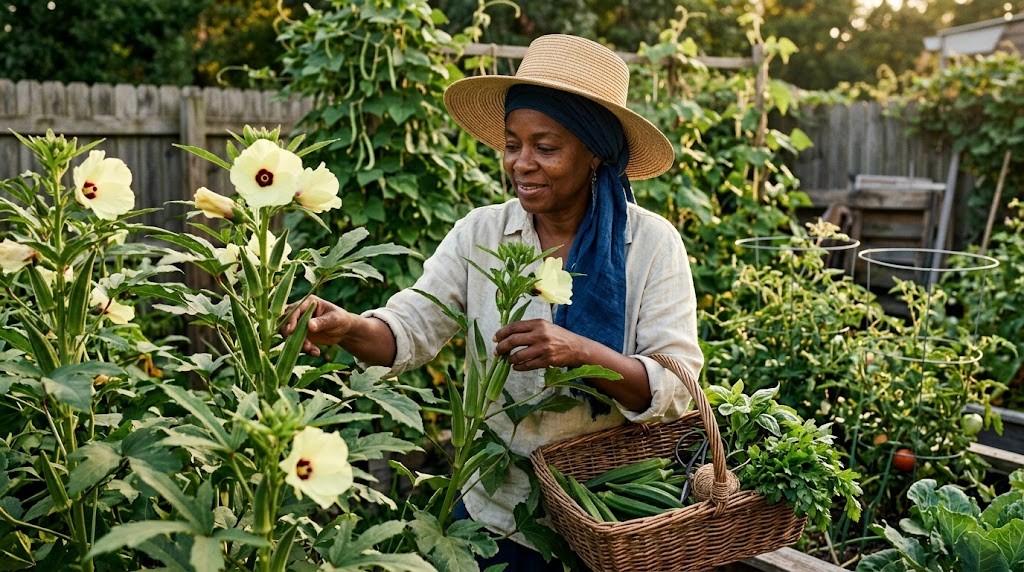
African Roots
Okra, black-eyed peas, rice, shea, hibiscus, braids. Our foremothers carried seeds in their hands and knowledge in their heads across an ocean. Here is what came, how it came, how we still use it, and what science says today. We are honest about what is African and what isn't.
Baby, your kitchen is a history book
When I stir a pot of okra soup or pour a glass of sorrel at Christmas, I am doing something women in my family did long before anybody wrote it down. Some of those women were taken from West Africa in chains. They were not allowed to bring much. But they brought what they knew.
Historians have now shown that a lot of what we call Southern food, Caribbean food and Brazilian food grew from African seeds and African skill. Rice, okra, yams, black-eyed peas, sorghum, watermelon, sesame. The same is true for our hair and skin care: braiding, threading, shea butter, black soap.
I also want to tell you the truth. Some things we love did not start in Africa. Peanuts and hot peppers came from the Americas. Moringa came from India. Collard greens came from Europe. Our people made them ours. That is part of the story too, and it's a proud one.
How to read this page: Each item says where it really comes from. Tags show how strong the science is: Strong Some Weak Traditional use. A red Caution tag means please read the safety note.
Three ways African plants reached the Americas
1. As food on the slave ships
Slave ship captains bought African food on the coast to feed the captives: rice, yams, sorghum, millet, black-eyed peas and more. Leftover seed could be planted on the other side. Geographer Judith Carney and Richard Rosomoff traced this through captains' accounts, archaeology and oral history.
Documented2. In the people's own gardens
Planters gave enslaved people poor land to grow their own food, which saved the planters money. In Jamaica these were called provision grounds. They grew Guinea yams, eddoes, dasheen and plantains, and sold extra at Sunday markets. In the U.S. South, yard gardens grew benne, okra, cowpeas and peanuts. Carney calls them "botanical gardens of the dispossessed."
Documented3. In memory and skill
Some of what crossed was knowledge, not seed. Carney's book Black Rice argues that West African women's rice-growing skill shaped Carolina's rice fields. The way we cook greens low and slow and drink the pot likker is an African habit, even though collards are European.
Documented, some debate
Think about that for a minute. They were given the worst land, after a full day of forced work, and they still fed their families and kept their food alive. When somebody tells you soul food is just "unhealthy," tell them our foremothers lived on greens, beans, grains and garden food. We can go back to that.
Sources: Carney & Rosomoff, In the Shadow of Slavery (UC Press) · NYBG, Judith Carney talk · Ground provisions · BnF, diets of the enslaved · NMAAHC, Black foodways
Food, herb, spice, drink and beauty, one by one
Tap a button to filter. Each card says where the plant really comes from.
Okra
From: Africa (Ethiopia or West Africa; experts still debate which)
Thickens soups and stews across West Africa. The English word "okra" comes from Igbo and shows up in Virginia in 1679. "Gumbo" comes from Central African Bantu words for okra.
Today: Gullah okra soup, Louisiana gumbo, Brazil's caruru, fried okra.
Documented historyGood fiber foodBlack-eyed peas (cowpeas)
From: West Africa. The oldest ones found are from Ghana, over 3,500 years old.
A protein staple, ground into akara fritters and moin moin. In Bahia, Brazil, the same fritter is acarajé, fried in red palm oil.
Today: Hoppin' John on New Year's Day. The "luck" stories behind it are family tradition, not proven history.
Beans help heart and blood sugarWatermelon
From: Sudan, northeast Africa (2021 genome study)
Its closest wild cousin is the Kordofan melon of Sudan. Egyptian tomb paintings suggest people ate it in the Nile Valley over 4,000 years ago. Freed people grew and sold it after the Civil War, and racists turned that pride into a cruel joke. We take it back.
DocumentedAfrican rice
From: West Africa, around the inner Niger River delta in Mali
Oryza glaberrima was tamed about 3,500 years ago. Women planted, pounded and winnowed it in coiled grass fans. Gullah sweetgrass baskets come from that same tradition.
Today: Charleston red rice, purloo, hoppin' John, jollof's cousins.
DocumentedSorghum and millet
From: the Sahel. Sorghum from Sudan; pearl millet from Mali.
Porridge, flatbread and drinks for thousands of years. Both came over as ship food. In the South, sorghum became a syrup.
DocumentedWhole grain, gluten-freeYams (the real ones)
From: West Africa (and Asia). Sweet potatoes are from the Americas.
A true yam has rough, bark-like skin and dry white flesh, and must be cooked. Enslaved Africans called the American sweet potato by the African word for yam (nyam, "to eat"). That's why your candied "yams" are really sweet potatoes.
DocumentedBenne (sesame)
From: South Asia, but grown in Africa for a very long time
"Benne" is the West African name. It came on ships and grew first in enslaved people's gardens to thicken stews. By the 1740s planters noticed it and tried to sell the oil.
Today: Charleston benne wafers; Gullah chefs still cook with it.
DocumentedFonio and teff
From: West Africa (fonio); Ethiopia and Eritrea (teff)
Fonio may be Africa's oldest cereal. Teff makes injera, the spongy Ethiopian bread. Teff came to U.S. cities with Ethiopian families, not on slave ships. Both are gluten-free whole grains.
Good whole grainsEgusi (melon seeds)
From: West Africa
The fruit is bitter, so people grow these melons for their seeds. Shelled and ground, they make egusi soup with bitter leaf or spinach. Protein and healthy fat.
Traditional foodRed palm oil (dendê)
From: West and Central Africa
Planted in Bahia, Brazil by the 1600s. Essential for acarajé, moqueca and Candomblé offerings. Rich in carotenoids, but high in saturated fat, so use it for flavor, not every day.
SomeCaution: saturated fatBaobab
From: African savanna and Sahel
The "upside-down tree." The dry fruit powder is stirred into drinks, and the leaves are cooked as greens. The pulp is high in vitamin C, fiber and calcium, but amounts vary a lot from sample to sample.
Good foodHealth claims weakTiger nut
From: Africa and the Mediterranean. Found in ancient Egyptian tombs.
A small sweet tuber, not a real nut. Made into kunun aya in Nigeria and horchata de chufa in Spain (the Spanish version came with North African rule).
Traditional foodTamarind
From: tropical Africa and Madagascar, despite the name
The Arabic name means "date of India," given by traders. It's in Caribbean tamarind balls, Senegal's dakhar drink and Worcestershire sauce.
Traditional foodPeanuts
From: South America. Not African.
The Portuguese brought them to West Africa in the 1500s. Africans made peanut stews (maafe, groundnut soup), and peanuts came back as slave ship food. "Goober" likely comes from the Kikongo word nguba.
DocumentedHot peppers
From: Mexico. Not African.
They reached West Africa in the 1500s and spread fast. Before chiles, West African heat came from grains of paradise. Scotch bonnets are now the soul of Caribbean cooking.
DocumentedCollard greens
From: the Mediterranean. Not African.
The plant is European, but the way we cook it is African: leaves simmered with a little seasoning meat, and the broth (pot likker) saved and drunk. Greens with no meat were called "motherless greens."
Great foodWarfarin: keep vitamin K steadyKola nut
From: West African rainforest
Broken and shared with guests at weddings, naming ceremonies and meetings, as a sign of welcome. It has caffeine. Coca-Cola's name (1886) joins coca and kola.
Traditional useCaution: caffeineCoffee
From: Ethiopia's forests (2024 genome study)
Arabica coffee formed in Ethiopia long before people. The Ethiopian coffee ceremony is about hospitality. The goat-herder legend is a story, not a record.
SomeLimit caffeine in pregnancyHibiscus (bissap, zobo, sobolo, sorrel)
From: Africa (West and Central Africa, most experts say)
The deep red drink of Senegal, Nigeria, Ghana, Sudan and, as sorrel, Jamaica and Trinidad at Christmas. Small studies show it may lower blood pressure a little, mostly in mild high blood pressure.
SomeCaution: BP and diabetes meds, pregnancyGrains of paradise
From: West Africa's "Grain Coast" (Liberia)
A peppery seed Europe once bought instead of black pepper. In 1711 a single Bristol slave ship landed over 10,000 pounds of it. Still used in pepper soup.
Traditional useAlligator pepper
From: West Africa
The whole bumpy pod of grains of paradise and its cousins. In Yoruba and Igbo homes it's offered with kola nut to guests and at naming ceremonies.
Traditional useCaution in pregnancyUda / grains of selim
From: West Africa
Smoky pods used in Nigerian pepper soup, Ghana's sobolo and Senegal's café Touba. Many West African families cook it into soup for new mothers.
Traditional useAsk before using after birth or in pregnancyGinger
From: Asia. Not African.
No wild ginger is known; it was tamed in Southeast Asia or India. Today Nigeria grows a lot of it, and it's the kick in zobo, sorrel, sobolo and ginger beer.
Some, for nauseaBig doses + blood thinners: askBitter leaf
From: tropical Africa
Washed and squeezed to cut the bitterness, then cooked in Igbo bitter leaf soup and egusi. Used at home for fever and "sugar." Lowers blood sugar in animal studies; no good human trials.
WeakCaution: diabetes medsScent leaf (African basil)
From: tropical Africa and Asia
Yoruba efinrin, Igbo nchanwu. Lovely in pepper soup and yam porridge. Used at home for cough and upset stomach. Lab studies only.
WeakSafe as foodCerasee (bitter melon vine)
From: Old World tropics (Africa or Asia; debated)
Jamaica's famous bitter bush tea for "cleaning the blood." Human studies on blood sugar are small and poorly designed.
WeakCaution: low blood sugar, pregnancy, G6PDSoursop leaf
From: tropical Americas. Not African.
Popular bush tea in Jamaica, Trinidad and West Africa. The fruit is lovely now and then. But in Guadeloupe, heavy soursop use has been linked to an unusual Parkinson's-like illness. There's no proof it treats cancer.
Caution: don't drink leaf tea dailyMoringa
From: India. Not African.
Native to the foothills of the Himalayas. It is now a beloved green in West and East Africa (zogale in Hausa). The leaves are very nutritious.
As foodAs medicineRoot and bark: not in pregnancyBlack seed (Nigella)
From: Southwest Asia. Long used in North Africa and Ethiopia.
Many small studies on blood pressure, cholesterol and sugar show modest results. Fine as a spice; capsules and oil need a pharmacist's OK.
Some / WeakCaution: BP, sugar, bleedingRooibos and honeybush
From: South Africa's Cape only
Khoi and San peoples hold the traditional knowledge. In 2019 the whole rooibos industry agreed to share profits with them. Caffeine-free. These are modern arrivals, not slave-trade crops.
Health claims weakSafe teaSea moss
From: North Atlantic (Irish moss) and Caribbean (Gracilaria). Not African.
Boiled with milk and spice into a Jamaican and Trinidadian "strength" drink. Little research. Iodine can be very high and varies batch to batch.
WeakCaution: thyroid, blood thinners, pregnancyCastor oil
From: Northeast Africa (Ethiopia, Eritrea, Somalia)
Used in ancient Egypt. Our elders' laxative "dose," and today Jamaican black castor oil for edges. It does work as a laxative. Hair-growth claims are unproven.
Hair: weakSeeds are poison. Can start labor.Aloe
From: the aloe family began in southern Africa; aloe vera itself is from the Arabian Peninsula
"Sinkle bible" in Jamaica for burns and skin. The gel may help minor burns. Don't drink aloe latex.
Some (skin)Don't drink latexHenna
From: North Africa, Southwest and South Asia
Wedding and Eid art in Morocco, Sudan, Somalia and northern Nigeria; hair color too.
Traditional useNever "black henna." Never on babies.Shea butter
From: Africa's savanna belt, Senegal to Uganda
Women gather and hand-make the butter, often in co-ops. People call it "women's gold." A rich moisturizer for skin and hair. Little proof for eczema or scars.
Some (moisturizer)African black soap
From: Nigeria, Ghana, Togo
Ash of plantain skins and cocoa pods plus palm kernel or shea oil. Yoruba ọṣẹ dúdú. Real soap, so it can dry the skin. No clinical trials.
Traditional usePatch testChebe
From: Chad (Basara Arab women)
Roasted, ground seeds mixed with oil and put on braided hair, not the scalp. It may help hair keep its length by breaking less. There are no studies.
Traditional useNo studiesCocoa butter
From: the Americas. Ghana and Côte d'Ivoire now grow most of the world's cocoa.
A Black-family staple for dry skin and bellies. Studies found it didn't prevent stretch marks better than a plain cream, but it's still a good moisturizer.
Stretch marks: weakKaolin clay (nzu)
From: West African tradition
White clay for face masks and ceremony. Some pregnant women eat it for nausea. Please don't. Health agencies found lead and arsenic in clay sold for eating.
Never eat it, especially when pregnantPalm wine
From: West and Central Africa
Tapped palm sap that ferments fast. It's part of celebrations and is poured for the ancestors. It contains alcohol. Not for pregnancy, teens, or anyone avoiding alcohol.
Alcohol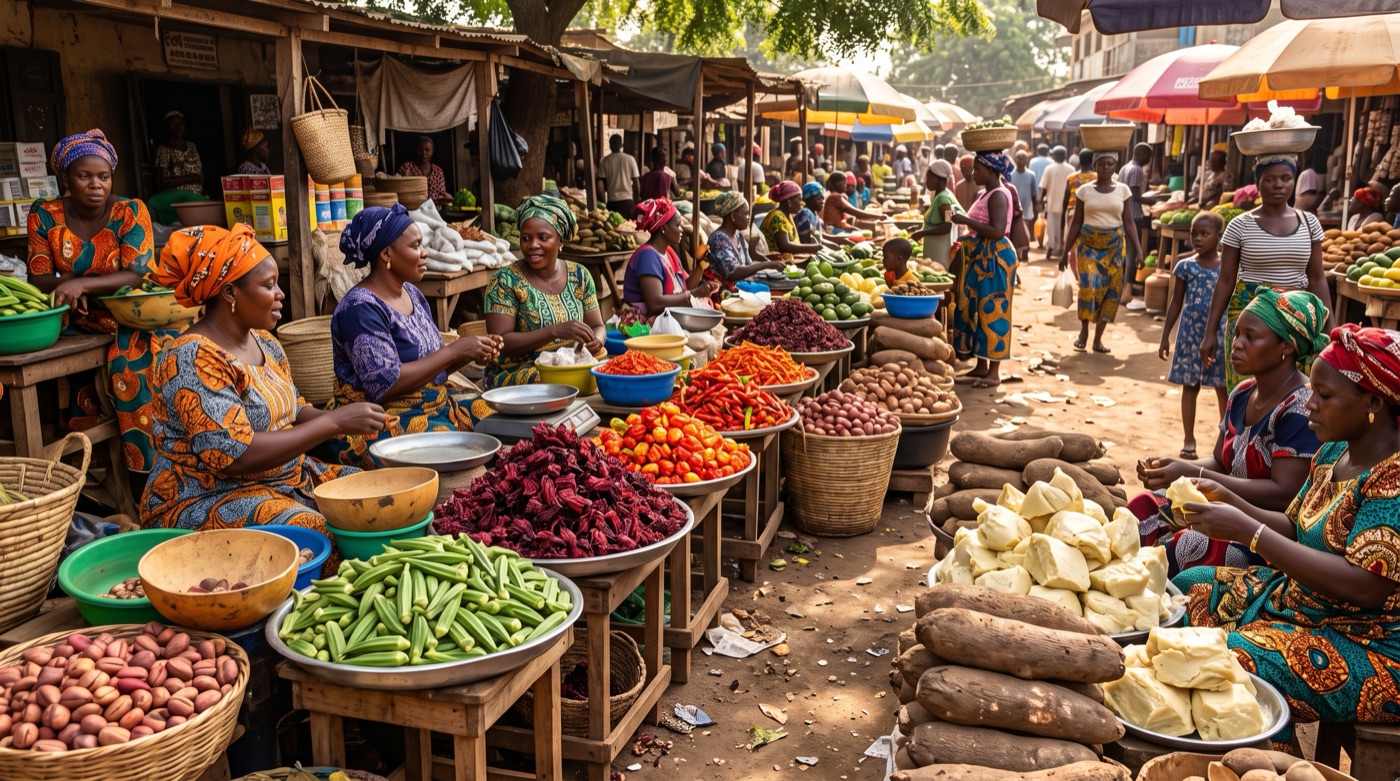
Sources: Okra · 64 Parishes on gumbo · D'Andrea, cowpeas in Ghana · Kew, watermelon · PNAS Kordofan melon · African rice domestication · Sorghum and millet origins · UW, yams vs sweet potatoes · Benne · National Academies, Lost Crops of Africa · Egusi · Dendê in Bahia · Baobab pulp nutrition · USC, tiger nuts · UF/IFAS, tamarind · NPS, peanuts · Collards and pot likker · Kola nut · Arabica genome · Hibiscus review, Nutrition Reviews 2022 · Bristol Museums, grains of paradise · Xylopia survey, Benin · Oxford, ginger · Bitter leaf review · Scent leaf review · Bitter melon review · Annonaceae and parkinsonism · Moringa origin · Nigella trials review · SA Government, rooibos agreement · National Geographic, sea moss · Kew, castor · Grace et al., aloe origins · FDA black henna warning · Shea butter review · Chebe · Rhode Island DOH, nzu
Root doctors, granny women and bush medicine
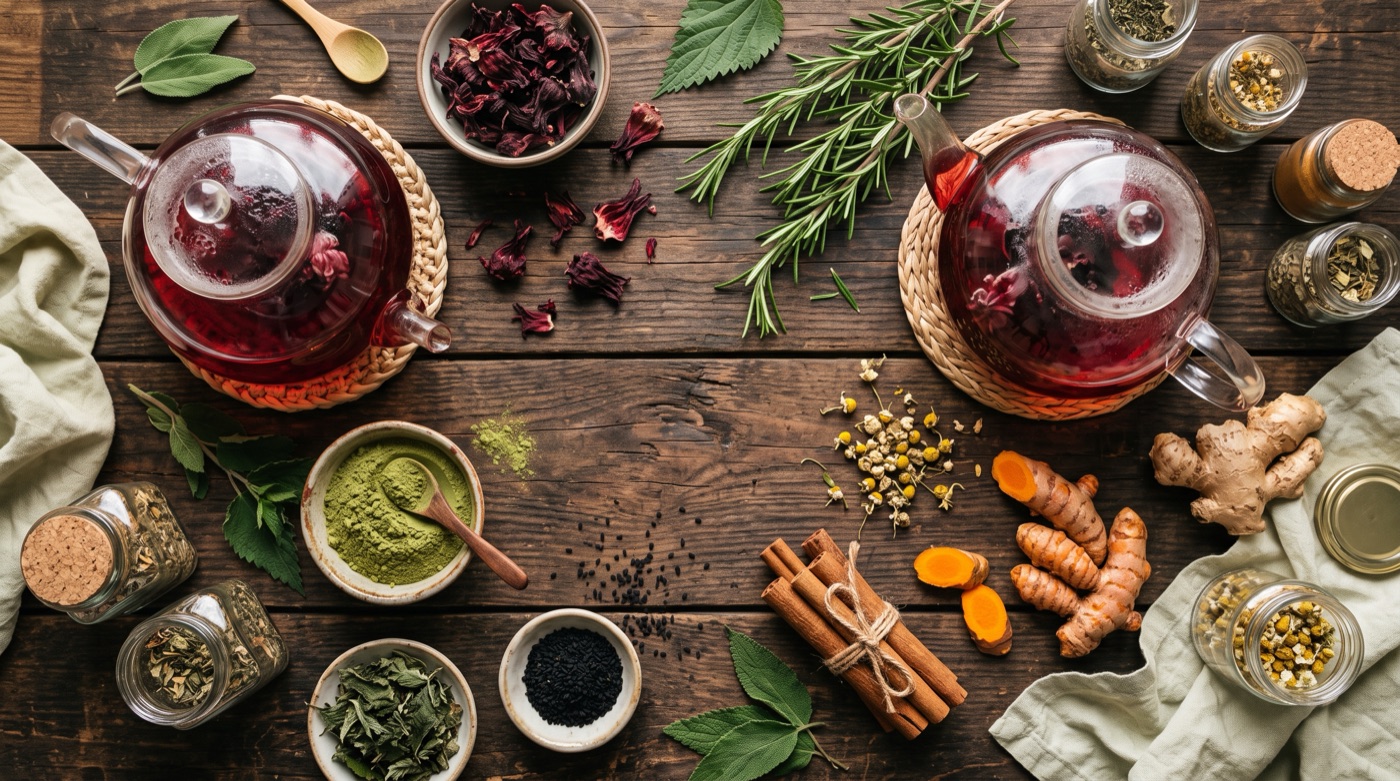
On Southern plantations, enslaved women and men made medicine, nursed the sick and caught babies. Their communities called them root doctors, herb women and granny midwives. Their knowledge came from Africa, but most of the plants were new. So they learned the local plants and fit them into what they already knew.
Doctors at the time called this tradition rootwork. It treated natural illness with herbs and foods. It also gave spiritual reasons for some sickness, and spiritual cures for it. Hoodoo is the African American spiritual tradition that grew from the same roots. It deserves respect, not jokes.
White lawmakers feared this knowledge. Some Southern colonies banned enslaved people from giving each other medicine unless a white person was present. Historian Sharla Fett shows that Black healers kept working anyway, and that their care treated health as part of family, faith and community.
U.S. South
Pot likker as a tonic, catnip tea for fussy babies, mullein and "life-everlasting" for colds, sassafras tea in spring. Many of these plants are American. The system of knowing plants is the African part.
Traditional useGullah Geechee coast
Root doctors and herbalists made teas, poultices and tonics from Sea Island plants. A 2013 Georgia State study found many families still use folk medicine, tied to faith, family and trouble getting good care.
DocumentedCaribbean bush medicine
Cerasee, fever grass (lemongrass), soursop leaf, moringa and guinea hen weed are boiled into bush teas in Jamaica, Trinidad and the Bahamas, usually by a grandmother who knows the yard.
Traditional useBrazil
In Candomblé, sacred leaves are central. A Yoruba saying is kept there: "no leaves, no orisha." Market raizeiros (root sellers) still sell bark and leaves in Salvador.
Traditional useWest Africa today
Bitter leaf, scent leaf, selim pepper and alligator pepper are used in food and home remedies. New mothers often get spicy pepper soup.
Traditional useWhat's risky
Not every old remedy is safe. Sassafras root has safrole, which the FDA banned as a food additive in 1960. Castor seeds are poisonous. Eating clay can expose you to lead. Love the elders, and check the plant.
CautionMy grandmother had a cure for everything, and some of them worked. But she also didn't have a pharmacist down the street. I do. Honoring her means keeping what's good and being smart about what's not.
Sources: Fett, Working Cures (UNC Press) · Southern Medical Journal, rootwork · Hazzard-Donald, Mojo Workin' (Smithsonian Libraries) · Smithsonian, ginseng and Hoodoo · Georgia State, Gullah folk medicine · Popula, rootwork · JAMA, sassafras and safrole · US Treasury circular on the 1960 safrole ban
Pour a glass of history
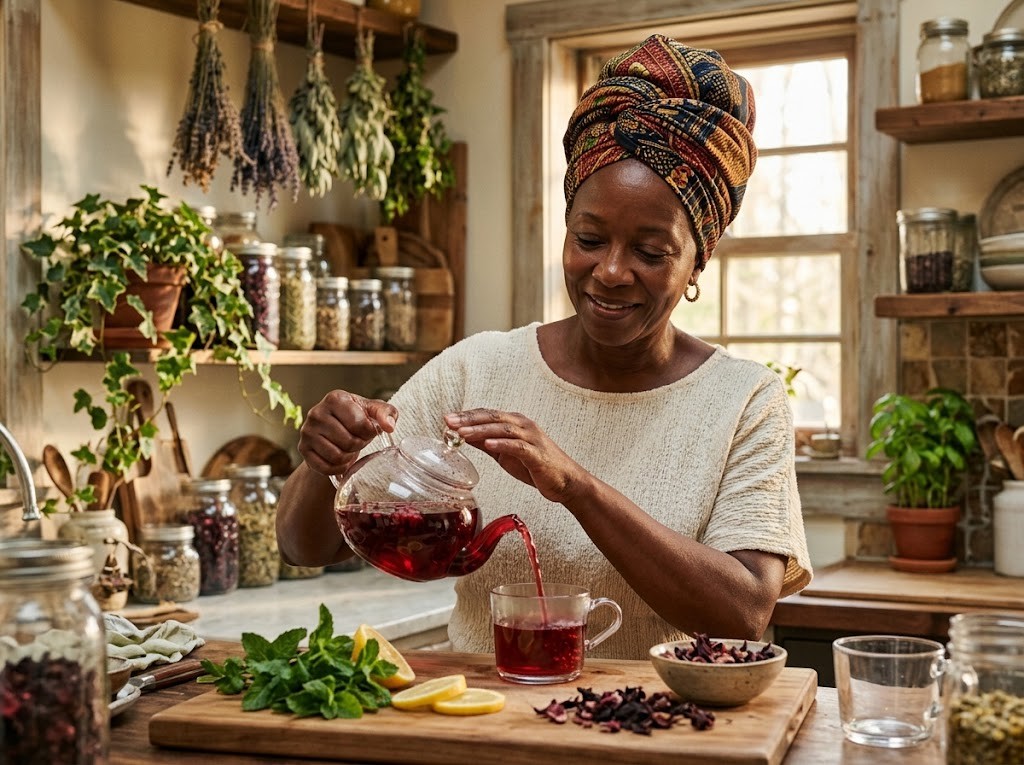
Simple home versions, written in our own words. Go easy on sugar: start with half, taste, then add. Use a clean pot and keep drinks in the fridge for up to 3 days.
| Drink | Where | Main ingredient | Is the main ingredient African? |
|---|---|---|---|
| Bissap | Senegal, Mali, Gambia | Hibiscus, mint | Yes |
| Zobo | Nigeria | Hibiscus, ginger, pineapple peel | Hibiscus yes; ginger no |
| Sobolo | Ghana | Hibiscus, ginger, selim pepper | Mostly yes |
| Sorrel | Jamaica, Trinidad | Hibiscus, ginger, pimento | Hibiscus yes |
| Ginger beer | Caribbean, Ghana | Fresh ginger, lime | No (ginger is Asian) |
| Mauby | Barbados, Trinidad | Tree bark, anise | No (Caribbean) |
| Kunun aya | Northern Nigeria | Tiger nuts, dates | Yes |
| Kunun zaki | Nigeria | Millet or sorghum, ginger | Grains yes |
| Bouye | Senegal | Baobab fruit | Yes |
| Palm wine | West & Central Africa | Palm sap, fermented | Yes. Contains alcohol. |
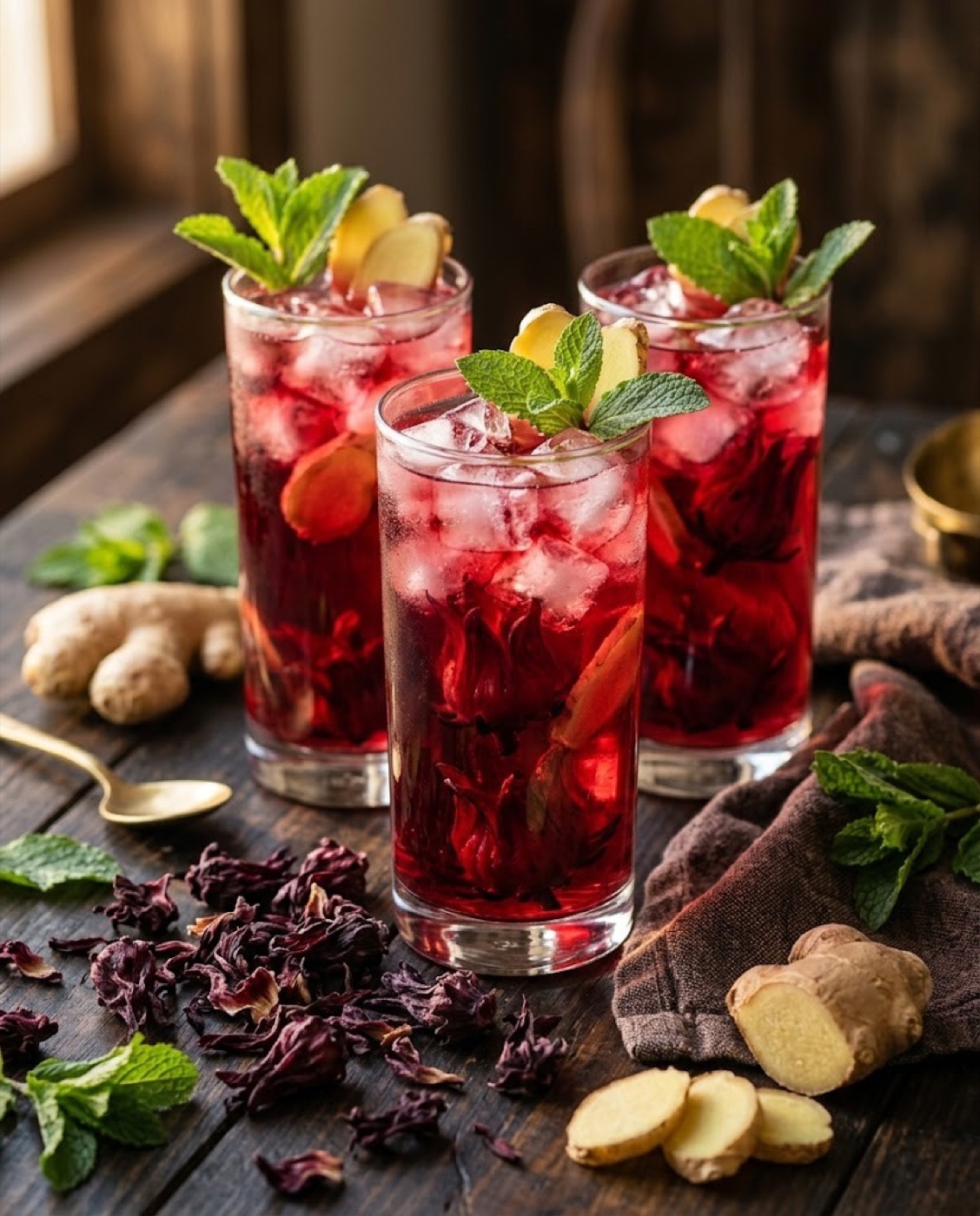
Bissap / sorrel (hibiscus drink)
BP: some evidenceBP meds, pregnancy
You need
- 1 cup dried hibiscus (sold as flor de Jamaica, sorrel or zobo leaves)
- 8 cups water
- A handful of fresh mint (bissap) or a thumb of ginger, 4 cloves and 4 allspice berries (sorrel)
- Sugar or honey to taste; a squeeze of lime or orange
Steps
- Rinse the hibiscus quickly in a strainer.
- Boil the water, take it off the heat, and add the hibiscus and your flavorings.
- Cover and steep 20 to 30 minutes (longer makes it stronger and more tart).
- Strain, sweeten lightly while warm, then chill. Serve over ice.
Jamaican families often add rum to Christmas sorrel. This version has none, so the whole family can drink it.
Zobo (Nigerian style)
TraditionalBP meds, pregnancy
You need
- 1 cup dried hibiscus
- 10 cups water
- Peel and core of 1 pineapple (washed well)
- 1 thumb fresh ginger, sliced; 5 cloves
- Optional: 1 pod of uda (grains of selim), cracked
Steps
- Put everything in a pot and bring to a boil.
- Simmer 15 to 20 minutes, until the water is deep red and smells of pineapple.
- Cool, strain well, and sweeten lightly, or let the pineapple do the sweetening.
- Chill and drink within 3 days.
Ginger beer (no alcohol, quick version)
Ginger: some evidence for nausea
You need
- 1 cup fresh ginger, washed and grated (peel is fine)
- 6 cups water
- Juice of 2 limes
- Sugar or honey to taste; a few cloves (optional)
- Sparkling water to serve (optional)
Steps
- Bring the water to a boil, add ginger and cloves, then turn off the heat.
- Cover and steep 1 hour (or overnight in the fridge for real fire).
- Strain through a cloth, squeezing out the ginger.
- Stir in lime and a little sweetener. Serve cold, half and half with sparkling water if you like bubbles.
Old Caribbean recipes ferment ginger beer for days, which can make a little alcohol. This quick version skips that.
Kunun aya (tiger nut milk)
TraditionalFiber-rich
You need
- 1 cup dried tiger nuts
- 6 to 8 pitted dates
- Optional: a piece of fresh coconut, a small piece of ginger
- 4 cups cold water
Steps
- Rinse the tiger nuts and soak them in water in the fridge for 24 to 48 hours. Soak the dates for the last hour.
- Drain. Blend tiger nuts, dates, coconut and ginger with the 4 cups of fresh water until very smooth.
- Strain through a nut-milk bag or clean cloth and squeeze.
- Chill and shake before drinking. It's naturally sweet. Keep 2 days in the fridge.
Tiger nuts are tubers, not tree nuts. Still, if you have a nut allergy, check with your doctor first.
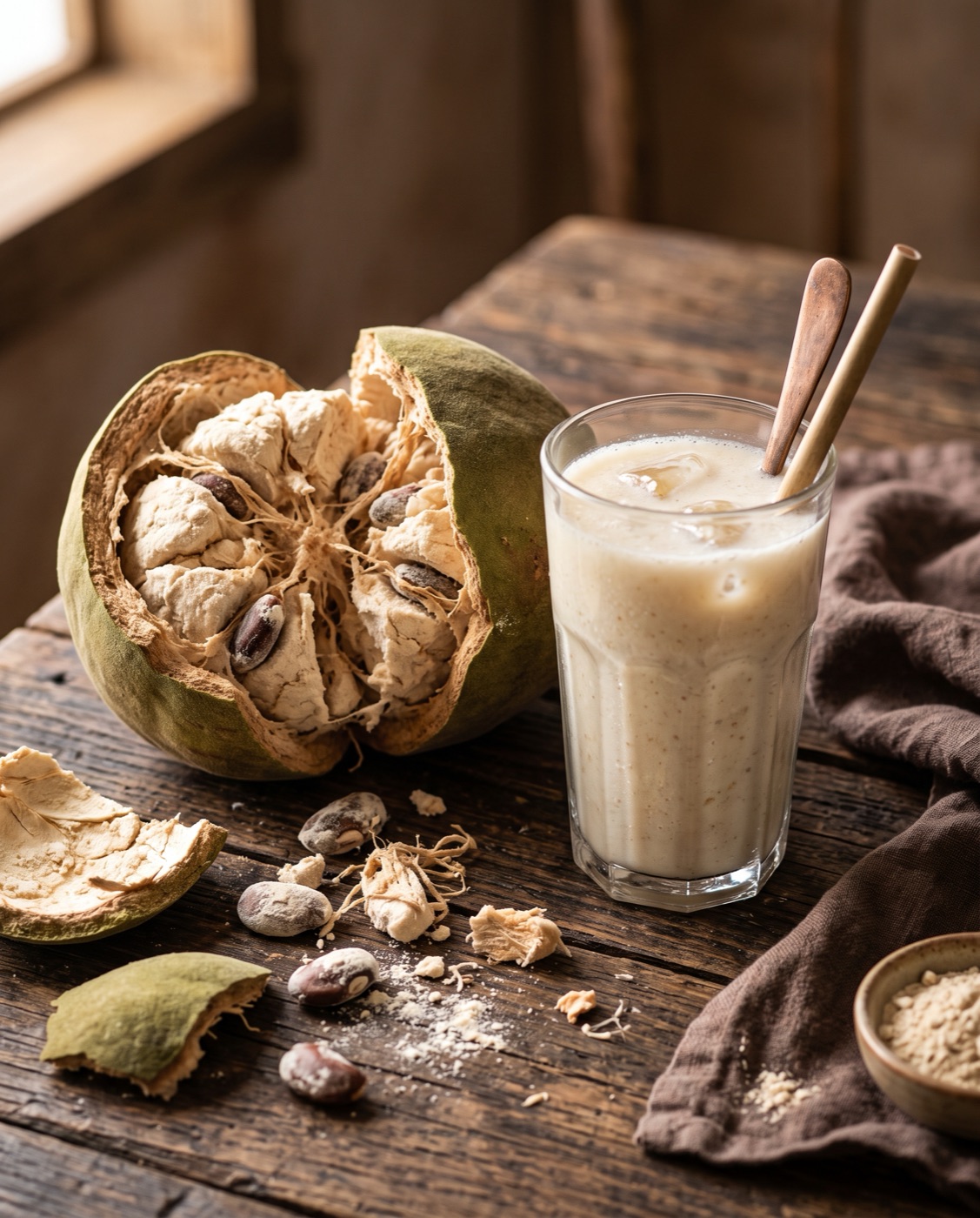
Baobab drink (bouye)
Good foodHealth claims weak
You need
- 3 tablespoons baobab fruit powder
- 2 cups cold water or milk (dairy or plant)
- 1 to 2 teaspoons honey; a pinch of vanilla or nutmeg
- Optional: half a banana for a smoothie
Steps
- Whisk the powder into a little of the liquid to make a smooth paste.
- Add the rest of the liquid and the sweetener, and whisk or blend.
- Serve cold. It's tangy, like lemon and pear.
Baobab adds fiber, so start small if your stomach is sensitive.
A word on mauby, kunun zaki and palm wine
Mauby is boiled tree bark with anise and cinnamon, sweetened. In Barbados after emancipation in the late 1830s, "mauby women" sold it on the street from jugs on their heads. Buy the bark or syrup from a Caribbean shop and follow the label. It's very bitter.
Kunun zaki is a lightly fermented millet and ginger drink from northern Nigeria. It takes a day or two of soaking and souring. Learn it from an auntie who knows how.
Palm wine is fermented palm sap and contains alcohol that gets stronger by the hour. It's honored at celebrations. Skip it if you're pregnant, nursing, under 21, on certain medicines, or not drinking.
Store-bought versions can be loaded with sugar. Make them at home and you control it. My trick: steep it strong, sweeten it light, and stretch it with ice and sparkling water.
Sources: Ellis et al., hibiscus, Nutrition Reviews · Hibiscus and blood pressure meta-analysis · Mauby · EatOkra, history of mauby · Google Arts & Culture, tiger nuts · Baobab review · PROSEA, ginger
Crowns with a long memory

Across West and Central Africa, a woman's hairstyle could tell you her people, her age, whether she was married, her rank, or that she was in mourning. Braiding took hours, and women did it together, talking and teaching. That sitting-between-the-knees time is the same thing we do on Saturday mornings now.
On slave ships and plantations, heads were often shaved or covered. Women held on to what they could. Today's natural hair movement is, in many ways, a homecoming.
Cornrows and braids
Yoruba call cornrows irun dídì. Patterns marked identity across the region.
The escape-map story: in Palenque, Colombia, braiders tell how ancestors used patterns to signal escape. Historians haven't found written proof, but the story has been kept alive for generations.
Identity: documentedMaps: oral traditionThreading
Yoruba irun kíkó: hair sections wrapped tightly with black thread into stretched coils and shapes. It protects the ends and stretches hair without heat. Great for kids and for growing out.
Traditional useLow-heat, low-manipulationFulani braids
From Fulani (Fula, Peul) women of the Sahel: long braids at the sides, a center braid or crest, and beads, cowrie shells or amber. Today's "Fulani braids" are named in their honor.
Traditional styleBantu knots
Small coiled knots, commonly linked to the Zulu and other Southern African peoples. Abantu means "people" in Zulu. Photos show the style by at least 1898. Wear them, or take them down for a curly set.
Traditional styleChebe from Chad
Basara women mix roasted chebe powder with oil or butter, smooth it on the lengths (not the scalp) while braiding, and leave it in for days. Women do it together. Expect less breakage, not magic growth. No studies yet.
Traditional useNo studiesShea and oil sealing
African women have long sealed damp hair with shea or plant oils. Jamaican black castor oil carries the habit on in the Caribbean. Moisture first, then oil or butter to hold it in.
Some (moisture)Head wraps
The Yoruba gele, Ghanaian and Senegalese wraps. In 1786, Louisiana's Spanish governor, Esteban Miró, banned feathers and jewels in the hair of women of color and told them to wear it plain or covered with a kerchief (later called the tignon law). They answered with wraps so beautiful they became a statement.
DocumentedLocs
Worn in many African cultures and spread through the diaspora, including by Rastafari in Jamaica. Today they're protected under Pennsylvania's CROWN Act (in effect January 2026).
Documented lawHenna for hair
Used in North and East Africa to condition and tint hair. Plain henna only, and never on babies or small children (see the safety note below).
Traditional useCaution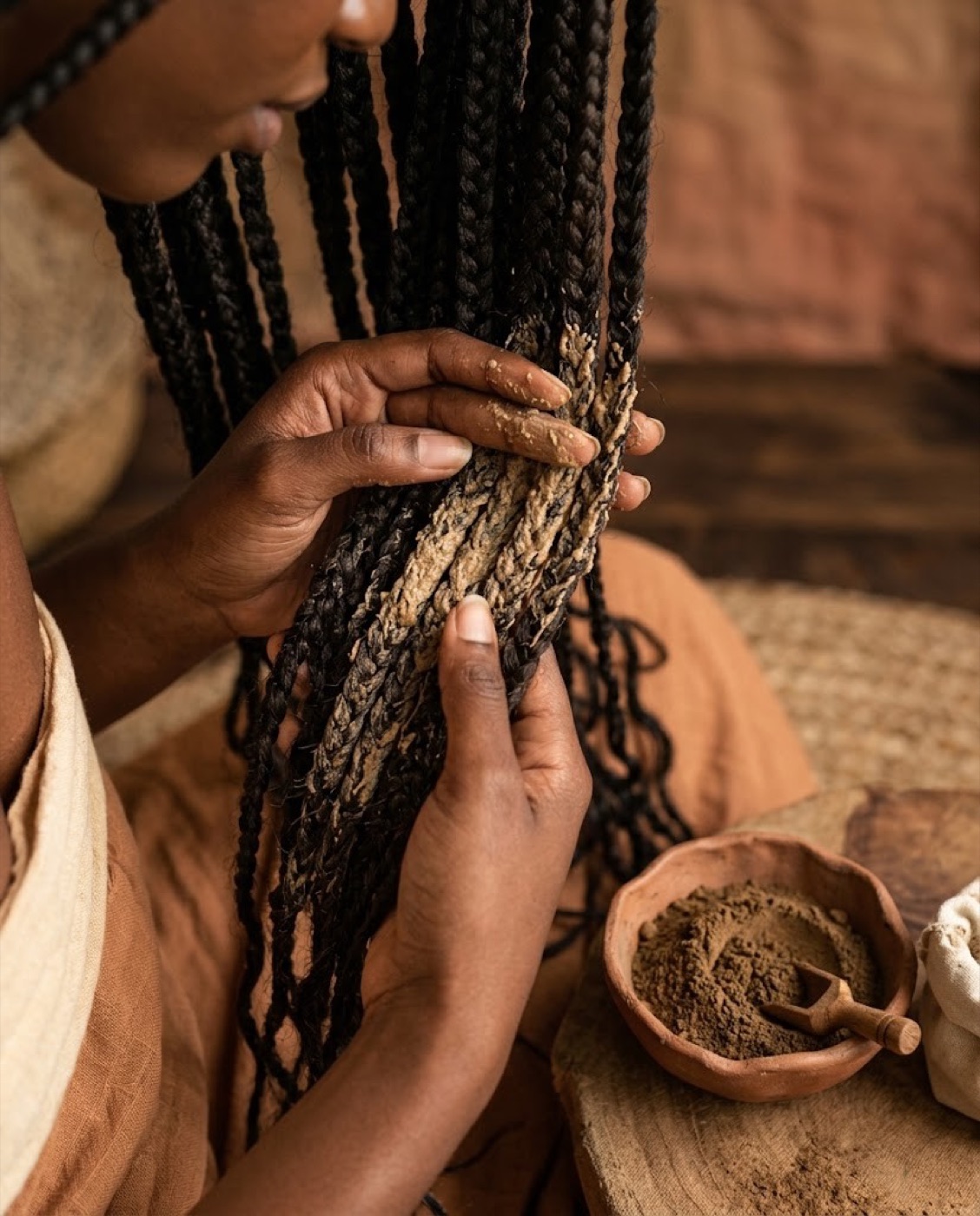
Tight is not right. Our ancestors' styles lasted because they were done with patience. If braids pull, hurt, or leave bumps on the edges, take them out early. Your edges are worth more than any style.
Sources: African hair threading · Fulani braids · OkayAfrica, history of braiding · Illinois State Board of Education, Black hairstyles · Snopes, braid maps · The Zoe Report, chebe · PA CROWN Act · Tignon law
What our grandmothers rubbed in

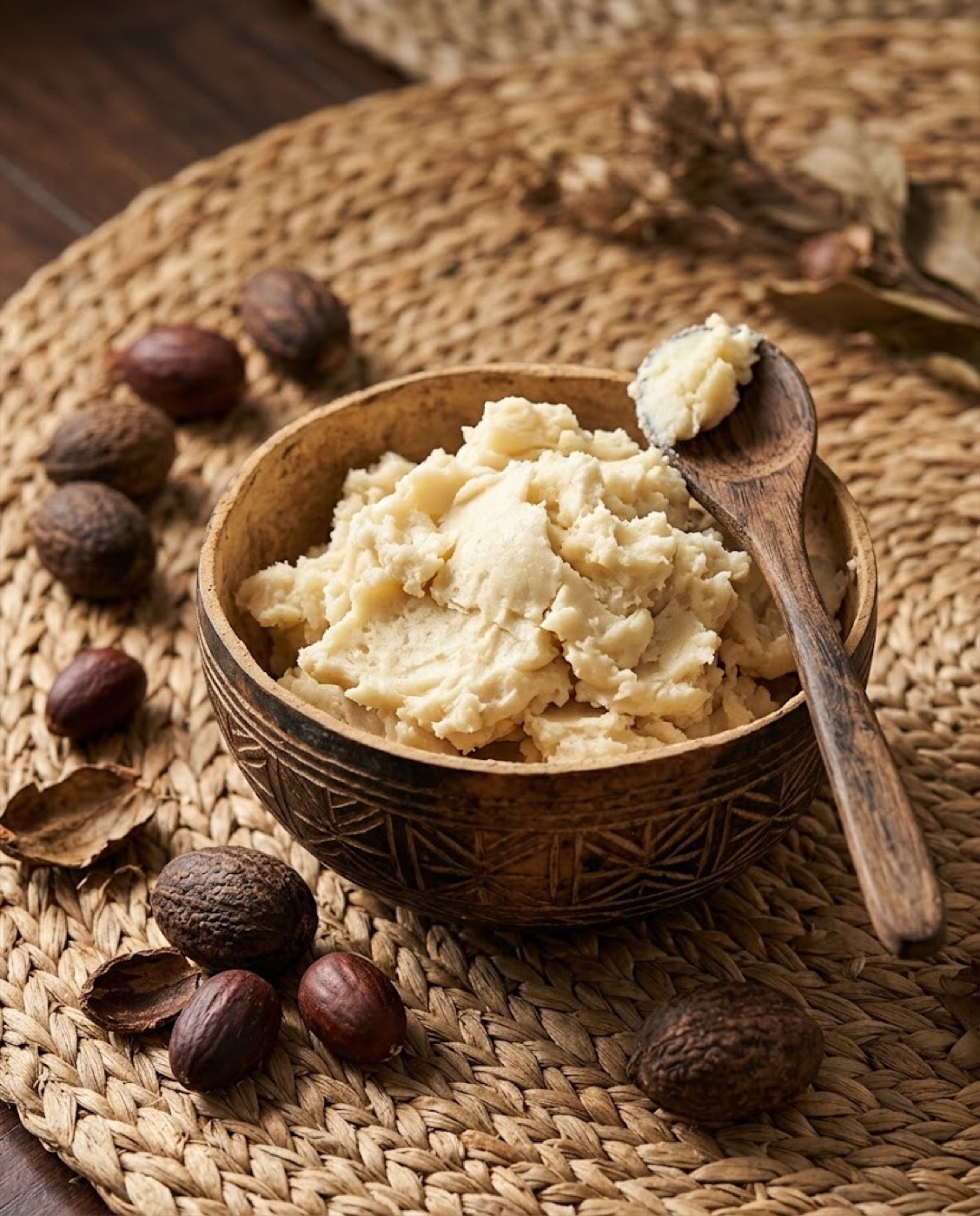
- Shea butter. Hand-made by women in West Africa. Melt a little in your palms and press it on damp skin after a shower. Unrefined keeps more of its natural compounds.
- African black soap. Break off a small piece and lather in your hands first. Its rough bits can scratch. Follow with moisturizer, because it's drying.
- Cocoa butter. A good moisturizer. It didn't beat a plain cream at preventing stretch marks in studies.
- Kaolin clay masks. On the face for 10 minutes, then rinse. Use cosmetic-grade clay.
- Aloe gel. For minor burns and sunburn ("sinkle bible" in Jamaica).
- Don't eat clay (nzu, calabash chalk). Testing found lead and arsenic.
- No "black henna" on skin. It has a dye (PPD) that can blister and scar.
- No henna on babies or small children. It can cause dangerous anemia in kids with G6PD deficiency, which is more common in people of African descent.
- Don't use over-the-counter skin lighteners. FDA testing found mercury in some, and mercury or hydroquinone is often left off the label.
| Tradition | From | What science says | Evidence |
|---|---|---|---|
| Shea butter | West & Central African savanna | Rich in fatty acids and antioxidants; good moisturizer; few trials for eczema or scars | Some |
| Black soap | Nigeria, Ghana, Togo | No clinical trials; an alkaline, real soap | Traditional |
| Cocoa butter | Cocoa is from the Americas; now grown mostly in West Africa | Didn't prevent stretch marks better than a plain cream | Weak |
| Kaolin clay (on skin) | West African tradition | Absorbs oil; no strong trials | Traditional |
| Kaolin clay (eating) | Pregnancy custom | Lead and arsenic found by health agencies | Avoid |
| Aloe gel | Arabian Peninsula (aloe family from Africa) | May help minor burns | Some |
| Henna (skin art) | North Africa, SW & S Asia | Plain henna is usually safe on adult skin; black henna is not | Caution |
Sources: MDedge, shea butter · RxList, shea · FSAI, calabash chalk · Rhode Island DOH, nzu · FDA, black henna · Henna and G6PD in newborns · Grace et al., aloe · Cochrane, creams for stretch marks · FDA, mercury in skin products
From Africa's fields to our tables: 15 moments
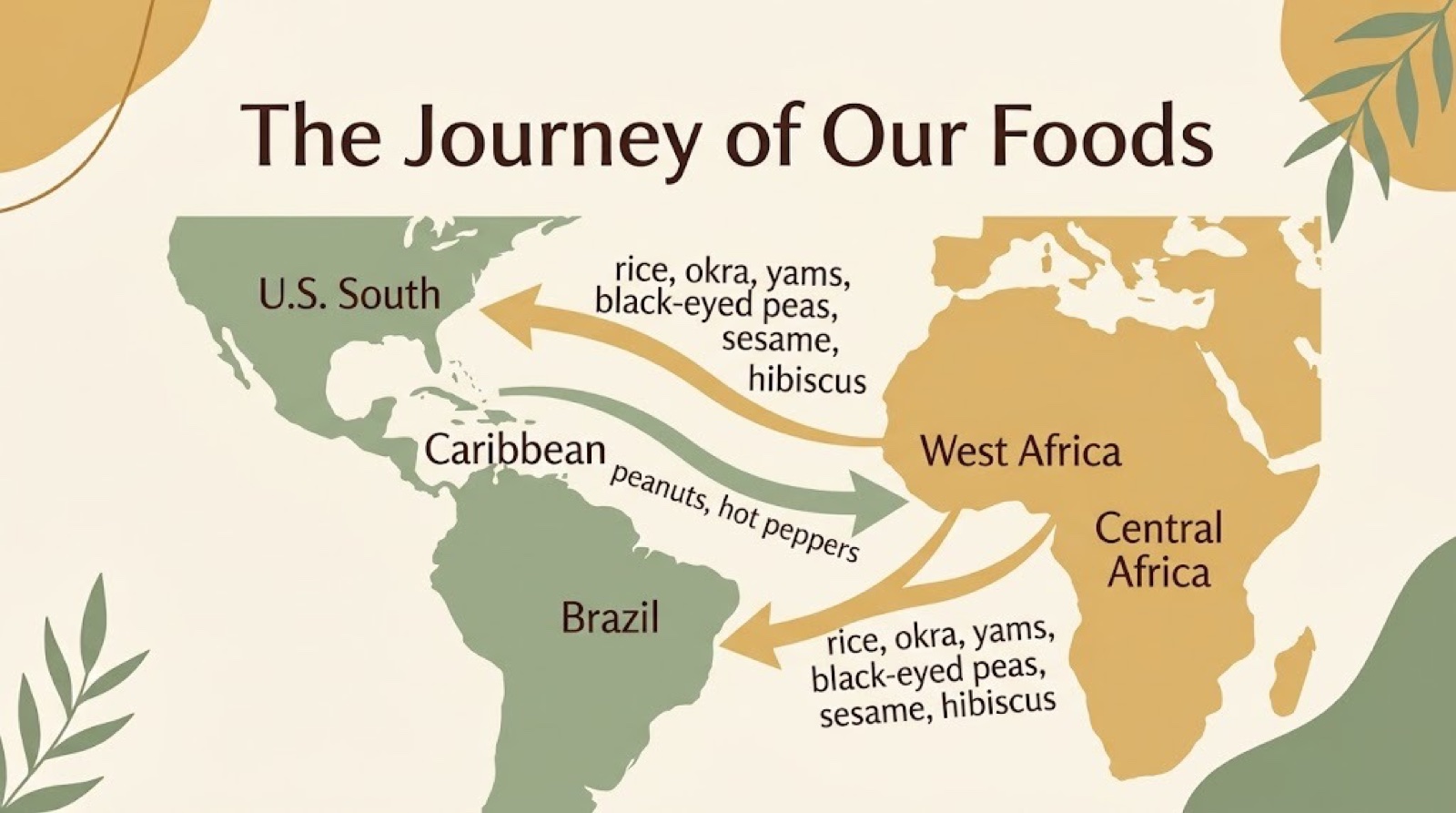
- About 3500 BCESorghum is grown in the eastern Sahel, in what is now Sudan. Documented
- 2500 to 2000 BCEPearl millet is tamed in the western Sahel, in what is now Mali. Documented
- Before 1500 BCEThe Kintampo people of central Ghana grow cowpeas (black-eyed peas). Documented
- About 3,500 years agoAfrican rice is tamed in West Africa, around the inner Niger delta. Documented (exact place debated)
- 4,000+ years agoWatermelon appears in Egyptian tomb art. Tiger nuts are already being buried with Egyptians. Documented
- 1500sPortuguese ships carry peanuts, chili peppers, corn and cassava from the Americas to West Africa. Africans make them their own. Documented
- 1500s to 1600sThe African oil palm (dendê) takes root in Bahia, Brazil. Documented (who carried it debated)
- 1600s to 1800sEnslaved Africans plant rice, okra, yams, cowpeas, sorghum and benne in provision grounds and yard gardens across the Americas. Documented
- 1679The Igbo word "okra" first shows up in English, in Virginia. Documented
- 1711The Bristol slave ship Rachell brings in over 10,000 pounds of West African grains of paradise. Documented
- 1740sCarolina planters notice benne in enslaved people's gardens and try to sell the oil. Documented
- Late 1830sAfter emancipation in Barbados, mauby becomes a favorite cheap drink, sold by "mauby women." Food history
- 1886Coca-Cola is named for coca and the West African kola nut. Documented
- 2006Congress creates the Gullah/Geechee Cultural Heritage Corridor, from North Carolina to Florida. Documented
- 2019 to 2024Khoi and San peoples win a share of rooibos profits (2019). Scientists trace watermelon to Sudan (2021) and Arabica coffee to Ethiopia's forests (2024). Documented
Sources: Sorghum and millet · Cowpeas in Ghana · African rice genomes · Kew, watermelon · NPR, goober · Brasil de Fato, dendê · Bristol Museums · Shields, benne · Mauby history · Gullah Geechee Corridor · TimesLive, rooibos deal
What's African, and what isn't but became ours
Being proud of our roots means getting the facts right. Here's the short version.
| Food or plant | Where it really comes from | African? | How it became ours |
|---|---|---|---|
| Okra | Ethiopia or West Africa | Yes | Ships, gardens, gumbo |
| Black-eyed peas | West Africa | Yes | Ship food; hoppin' John; acarajé |
| Watermelon | Sudan | Yes | Gardens; a freedpeople's cash crop |
| Rice (African) | Inner Niger delta | Yes | African skill built Carolina rice |
| Sorghum, millet, fonio, teff | Sahel; Ethiopia | Yes | Ship food (sorghum, millet); teff came with immigrants |
| True yams | West Africa (and Asia) | Yes | Provision grounds; gave us the word "yam" |
| Sweet potatoes | Central/South America | No | Called by the African word "yam" |
| Sesame (benne) | South Asia | No, but long grown in Africa | Came with West Africans; benne wafers |
| Peanuts | South America | No | To Africa with the Portuguese, back on slave ships |
| Hot peppers | Mexico | No | Africa adopted them in the 1500s |
| Collard greens | Mediterranean | No | African way of cooking greens and saving pot likker |
| Moringa | India | No | Now a West African staple green |
| Ginger | Asia | No | The heart of zobo, sorrel and ginger beer |
| Black seed | Southwest Asia | No, but long used in North and East Africa | Ethiopian and Islamic tradition |
| Soursop | Tropical Americas | No | Caribbean bush tea |
| Sea moss | North Atlantic and Caribbean | No | Caribbean "strength" drink |
| Cocoa butter | Americas | No | West Africa now grows most of the world's cocoa |
| Aloe vera | Arabian Peninsula | Partly (the aloe family is African) | "Sinkle bible" in Jamaica |
| Henna | North Africa, SW and S Asia | Partly | Wedding art in North and West Africa |
| Hibiscus, baobab, shea, black soap, kola, coffee, tamarind, castor, tiger nut, egusi, palm oil, bitter leaf, grains of paradise, selim, rooibos, chebe | Africa | Yes | Our foremothers' own |
If somebody on social media tells you sea moss or moringa is "ancient African medicine," you can smile and tell them the truth. It doesn't make it less ours. It makes us people who tell the truth.
Sources: see the Foods section above, plus UW Hort Library · Moringa origin · Kew, tamarind
Read, watch and learn more
Jessica B. Harris
High on the Hog (2011) traces our food from West Africa to the U.S. The Netflix series won a Peabody. She also co-edited the Smithsonian African American museum's Sweet Home Café Cookbook.
Michael W. Twitty
The Cooking Gene (2017) follows his family's story through food, from Africa through slavery to today. It won the James Beard Book of the Year in 2018.
Judith Carney
Black Rice (2001) and In the Shadow of Slavery (with Richard Rosomoff) show how African seeds and know-how fed the Americas.
Gullah Geechee Corridor
Created by Congress in 2006. It covers about 12,000 square miles of coast, from Pender County, North Carolina to St. Johns County, Florida. Rice, okra soup and sweetgrass baskets are still alive there.
Bahia, Brazil
About a quarter of the Africans taken to Brazil went to Bahia, many from around present-day Benin. The baianas who sell acarajé carry on a West African street-food tradition. Brazil's heritage agency, IPHAN, approved their craft as national intangible heritage in December 2004 (many sources date the listing 2005).
Our History page
For healers, midwives, pioneers and the CROWN Act, visit History.
Sources: Peabody, High on the Hog · Sweet Home Café Cookbook · The Cooking Gene · NPS Gullah Geechee lesson · Matador, dendê and Bahia · Jornal Grande Bahia, acarajé heritage listing
Where to find these in Philly
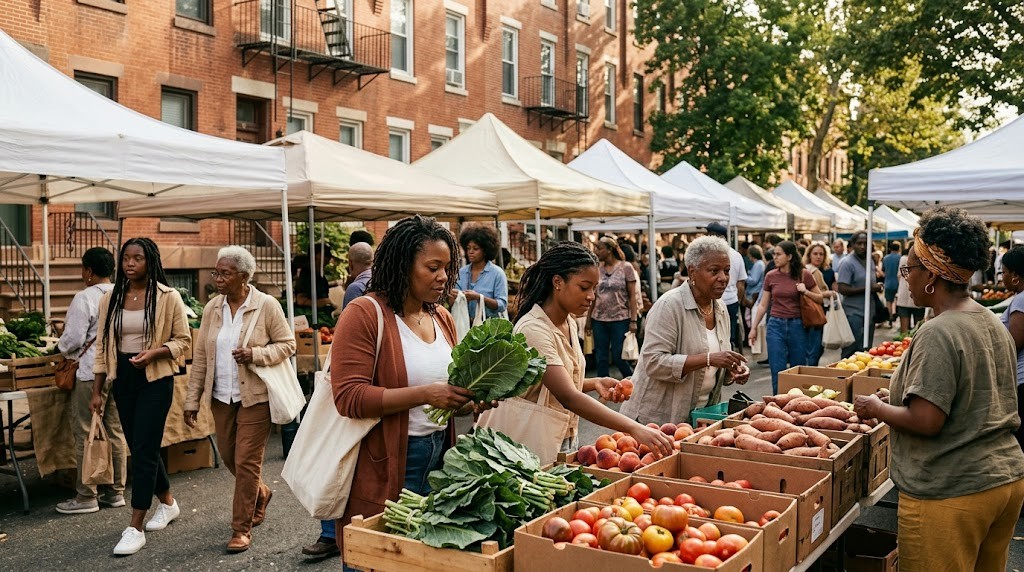
Philadelphia has big West African, Caribbean and Ethiopian communities, so you can find most of these foods right here. Look for:
- Dried hibiscus, egusi, uda, alligator pepper, kola nuts, bitter leaf, fonio, palm oil and shea at West African markets.
- Sorrel, mauby bark, cerasee, sea moss and Scotch bonnets at Caribbean grocers.
- Teff, injera and Ethiopian coffee at Ethiopian shops and restaurants.
- Okra, collards, sweet potatoes and black-eyed peas at farmers markets and corner produce stands.
- Raw shea butter and black soap from African-owned beauty suppliers. Ask where it's made.
See the Philly Guide Cook with them
Talk to the women behind the counter. Ask how her mother made egusi or sorrel. That's how this knowledge has always traveled: one woman to another.